French Doors
Disclaimer None of the manufacturers listed in this post paid to promote their products on Door Digest. This is strictly an independent review. Some links on this page are Amazon affiliate links which means if you choose to make a purchase, we may earn a small commission from Amazon at no extra cost to you. We greatly appreciate your support!
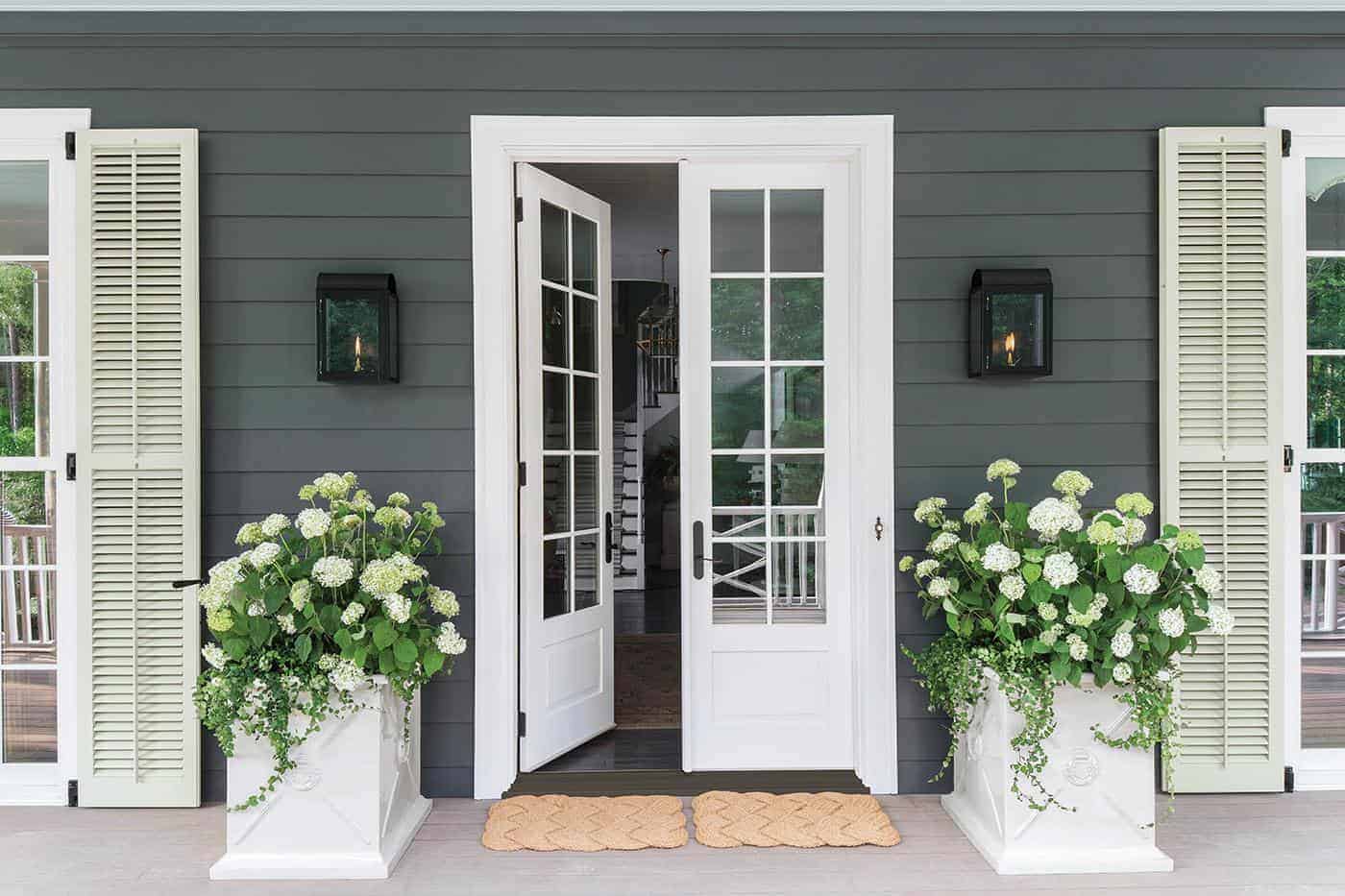
French doors — the double glass-paneled doors known for flooding a room with light — have been a fixture of European and American home design for centuries. This guide covers where they came from, seven reasons homeowners keep choosing them, the material options, and what to get right during installation.
What Are French Doors?
French doors date back to 17th-century France, when architects began installing large casement windows that ran all the way to the floor — designed to bring in more light and create easy access to balconies and verandas. That trend spread to England and eventually the United States, where the style picked up the name “French doors.” Today’s version is still recognizably similar: two side-by-side panels, made mostly of glass.
7 Reasons to Consider French Doors
1. Versatile and Timeless Beauty
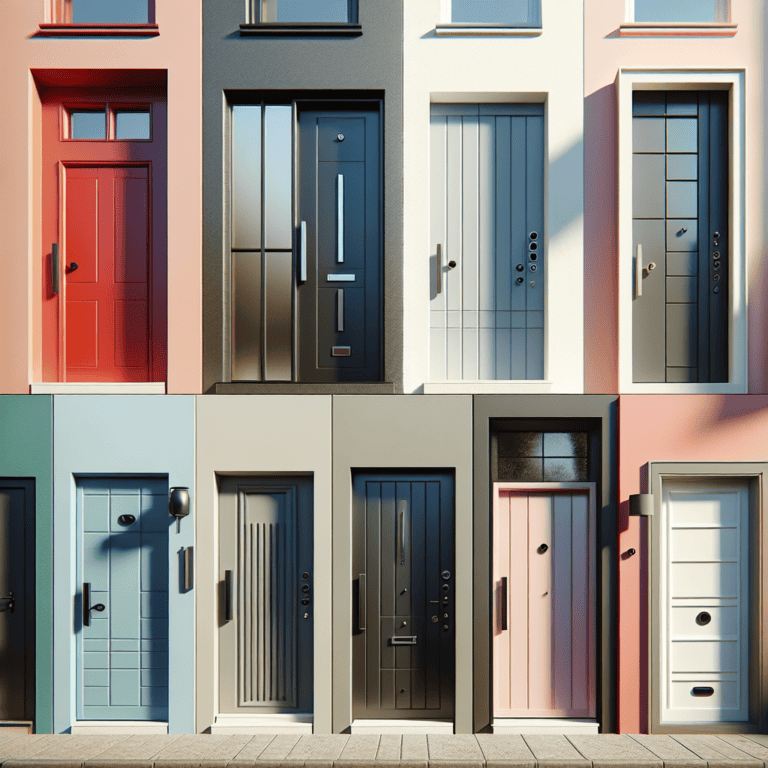
French doors fit both traditional and contemporary homes, adding character without ever feeling dated. They come in enough design variations to suit almost any home style.
2. Plenty of Natural Light
If a room feels dim even during the day, French doors flood it with natural light while providing an unobstructed view outside — and can meaningfully cut down on daytime lighting costs.
3. Makes the Interior Space Look Bigger
The extensive glass panels blur the line between indoor and outdoor space, drawing the eye past the door itself and extending the visual sense of the room into a garden, patio, or balcony. That effect is especially useful in smaller rooms, where French doors can make a space feel noticeably more open.
4. Easy Access to the Outside
The dual-panel design allows for a wide, unobstructed opening — ideal for spaces leading to patios, gardens, or outdoor seating. French doors are also available in multiple configurations: single or double doors that swing in or out, slide, or fold, depending on your space and preferences.
5. Easy to Customize
Modern manufacturing has expanded the options well past the traditional look. Inswing doors work well when outdoor space (like a small deck) is limited; outswing doors make sense when indoor space is tight. Sliding configurations are also available if neither swing direction fits your layout.
6. High Thermal Efficiency
French doors are built with insulation in mind, from the glass to the frame — helping keep warm air in during winter and reducing energy costs.
7. Increases Home Value
As a renovation, French doors are one of the installations most likely to boost a property’s appeal and value — a detail worth keeping in mind if you might sell down the line.
Types of French Doors to Consider
Wood: Oak, mahogany, or pine bring warmth and a classic look, and are highly customizable with finishes and detailing — though wood needs regular maintenance to hold up against weather.
Fiberglass: Combines the classic look of wood with much lower maintenance needs, and can mimic wood’s appearance while standing up better to harsh weather.
Steel: The strongest option for security and durability, though steel doors are prone to rust without proper upkeep, and don’t offer the same natural warmth as wood or fiberglass.
Installation Tips
- Take precise measurements of the door opening — width, height, and squareness — to avoid gaps or a poor fit later.
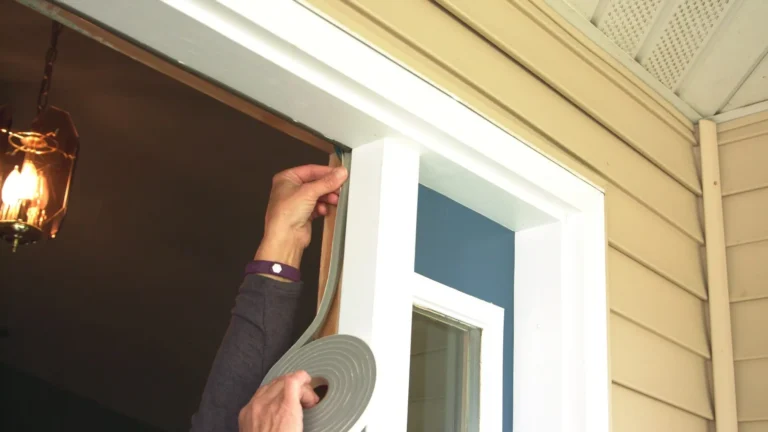
- Weatherproof exterior doors properly, using weatherstripping, caulk, and insulation to seal any gaps around the frame.
- Secure the threshold on exterior installs, making sure it’s level and sealed to prevent water infiltration and drafts.
- Reinforce the frame with shims and screws, keeping it level and plumb so the doors open and close smoothly.
- Install hardware carefully — handles, locks, and hinges all need to be aligned correctly for smooth, secure operation.
- Bring in a professional if any part of the installation feels uncertain, especially for larger or heavier door configurations.
Conclusion
French doors combine genuine architectural history with real practical upside — more natural light, a stronger sense of space, better energy efficiency, and a real boost to home value. Whichever material you choose, getting the measurements and installation right is what determines whether they operate smoothly for years to come.
For more on doors and design, explore the rest of Door Digest.