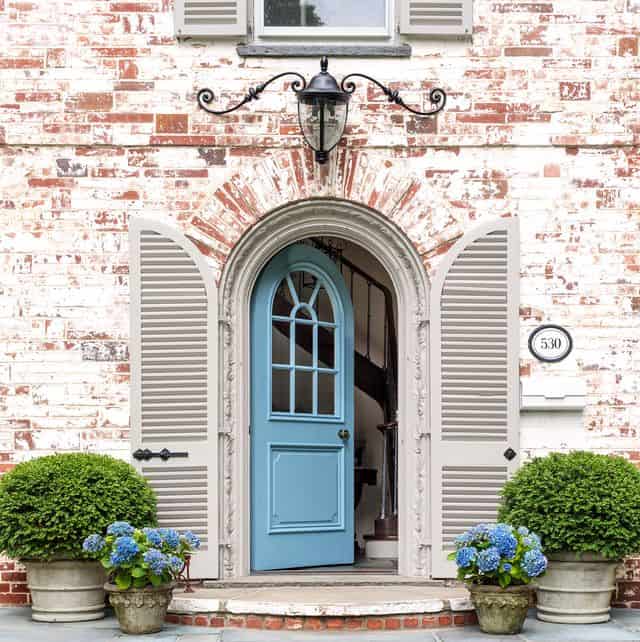
Arched Doors
Disclaimer Some links on this page are Amazon affiliate links which means if you choose to make a purchase, we may earn a small commission from Amazon at no extra cost to you. We greatly appreciate your support!
An arched door brings a curved, rounded top instead of the standard rectangular frame — a small design shift that adds an old-world, architectural feel to an entryway. This guide covers where the style actually comes from, the main types available, materials, and what installation and upkeep look like.
A Brief History of Arched Doors
Arched doorways trace back to Roman architecture, where builders first put the arch’s weight-distributing strength to practical use in bridges, aqueducts, and building entrances. That Roman engineering later shaped Gothic and Romanesque architecture, where arched doorways became a defining feature of cathedrals and grand entrances across Europe — moving from a purely structural solution to a deliberate architectural statement. That history is exactly why arched doors still read as timeless and formal today, even in a modern home.
Types of Arched Doors
Single arched doors suit smaller homes or spaces — one door with a classic arch that adds elegance without overwhelming the façade. They’re available in a range of materials and finishes to match different styles.
Double arched doors make a bigger architectural statement, fitting larger homes or buildings. Two panels with a shared arch at the top add symmetry and a sense of grandeur.
Arched doors with glass panels balance privacy and natural light — clear, frosted, or stained glass panels each offer a different level of visibility and style.
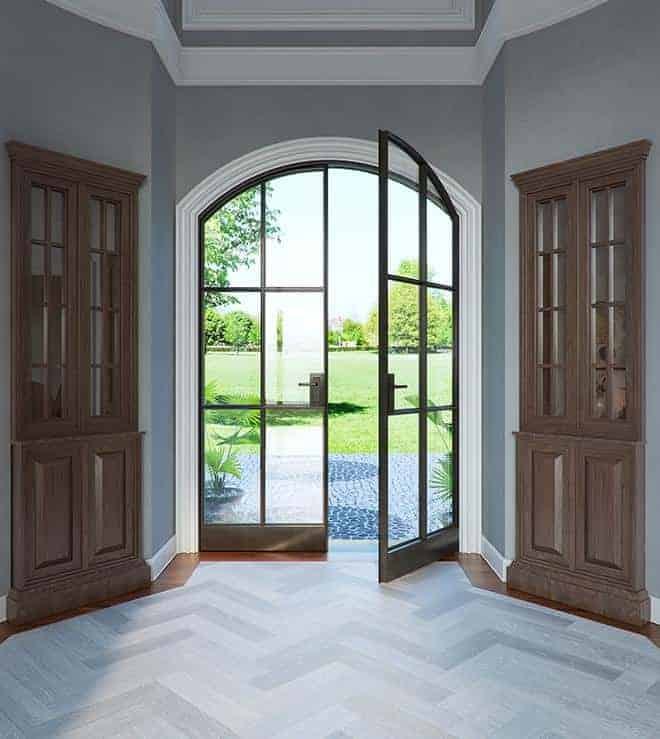
Stile and rail arched doors combine classic design with real durability — vertical stiles and horizontal rails, typically crafted from solid wood like oak, mahogany, or cherry, framed by the arch at the top. The solid wood construction holds up well over time and contributes to good energy efficiency and insulation.
Molded panel arched doors use engineered wood cores and veneers to mimic the look of solid wood doors at a more affordable price — a solid option if you want the classic look without the full cost of solid wood.
Materials Used in Arched Doors
- Wood: A traditional choice — oak, mahogany, and pine each bring a different grain, color, and texture, though wood requires regular maintenance to keep its finish looking good.
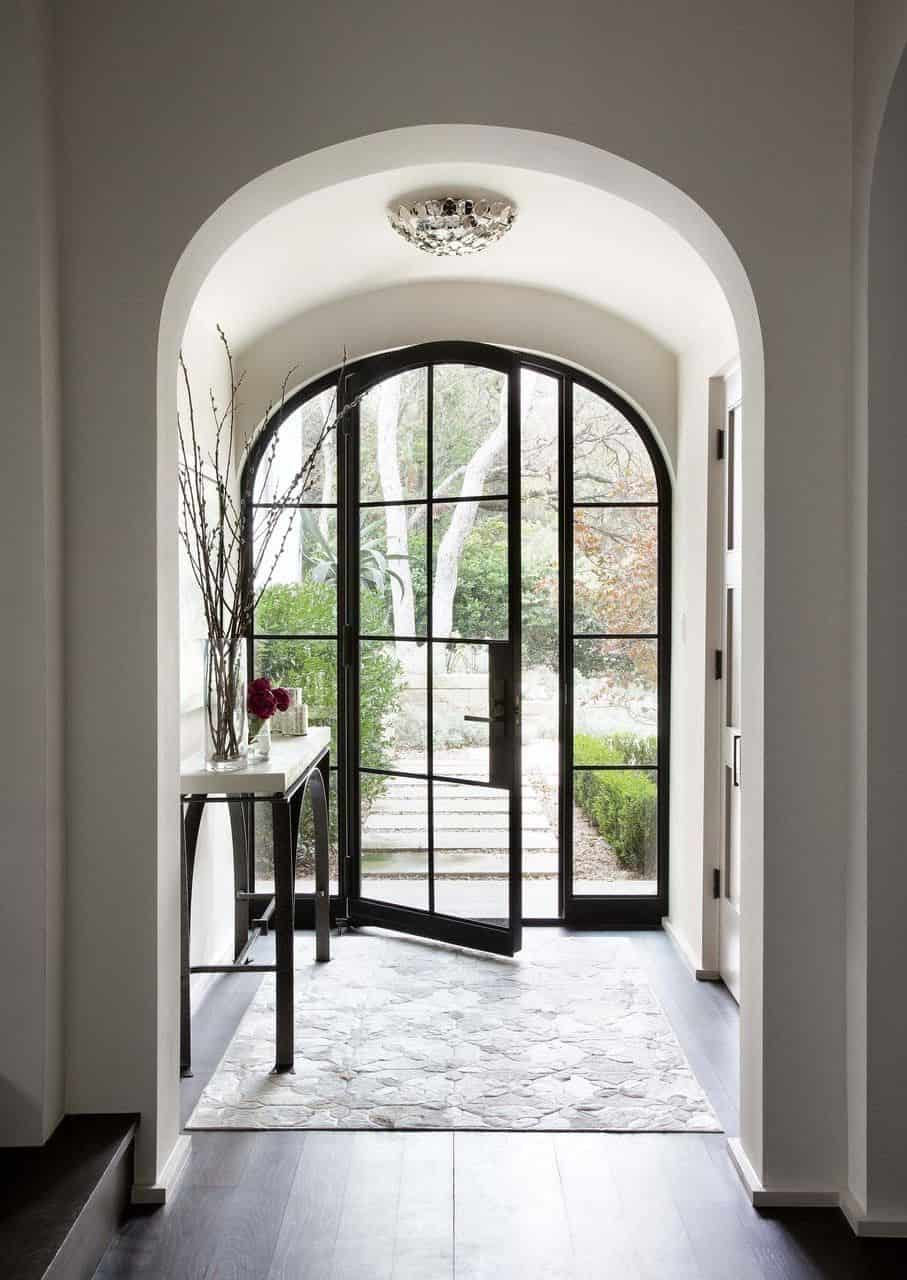
- Metal: Iron or steel arched doors offer high durability and security, holding up well against harsh weather and resisting warping or cracking.
- Fiberglass: Durable and low-maintenance, fiberglass can mimic the look of real wood while resisting warping, rot, and rust — and it insulates well, helping with energy efficiency.
- Glass: Usually paired with another material to add visual interest and let in natural light, in clear, frosted, or stained variations.
- Composite: Built from wood, PVC, and insulating foam, composite doors combine the look of wood with steel-like durability.
Which material makes sense depends on your home’s architectural style, your own aesthetic preference, and how exposed the door will be to outdoor conditions.
Design Trends and Home Value
Arched doors have adapted well to modern design — from sleek, minimalist takes to more ornate, detailed versions, they fit a wide range of architectural styles. Bold color choices, like black or deep navy, create a striking contrast against a neutral façade, giving the entrance real visual weight. Beyond looks, a well-chosen arched door can genuinely boost curb appeal and, by extension, a home’s perceived value to potential buyers.
Installation and Maintenance
Accurate measurement matters even more with an arched door than a standard one, since the curve adds complexity most standard rectangular openings don’t have — getting this wrong risks gaps or misalignment that affect both function and appearance. Installation also needs to account for weight: wood arched doors are relatively heavy and need solid structural support, while fiberglass and metal options are lighter and somewhat easier to install, though size still matters for a secure fit.
Maintenance depends heavily on material. Wood doors need regular sealing or staining to prevent moisture damage, warping, or rot — more often in harsher climates. Fiberglass and metal doors are naturally resistant to rot, decay, and insect damage, so regular cleaning and occasional inspection are usually enough to keep them in good shape.
Conclusion
Arched doors carry real architectural history — not just a decorative flourish, but a design element that traces back through Gothic and Roman construction. Whether you go with a simple single arch, a grand double door, or a stained-glass panel option, getting the material and installation right means the door will hold up as both a functional entry and a genuine style statement.
For more on doors and design, explore the rest of Door Digest.