Door Repair vs Replacement: The Best Solution for Your Home
Disclaimer Some links on this page are Amazon affiliate links which means if you choose to make a purchase, we may earn a small commission from Amazon at no extra cost to you. We greatly appreciate your support!
Your door does more than just swing open and shut — it’s your home’s first line of defense, its primary entryway, and sometimes, a statement piece. But what happens when it starts sagging, swelling, or refuses to close properly? You’re left with the big question: should you repair it or replace it?
The choice isn’t always obvious. Sometimes a door just needs a simple fix, like tightening loose hinges or dealing with minor damage. Other times, it’s clear that a full replacement is the best solution, especially if the damage compromises your home’s security or energy efficiency. Weighing door repair vs replacement carefully now can save you from a costlier mistake later.
In this guide, we’ll help you navigate the door repair vs replacement debate and cover everything from costs involved to the best materials for replacing a front door. Plus, we’ll answer key questions like when to repair a sliding door and how much a professional door repair typically costs.
Key Takeaways
- Assess damage to determine if repair or replacement is needed, categorizing issues as minor or major for clarity.
- Consider cost implications, as repairs generally range from $50 to $500, while replacement costs can range from $500 to $4,000 depending on the material and installation.
- Selecting the right door material (wood, steel, fiberglass) affects durability, repairability, and energy efficiency, influencing both repair needs and long-term costs.
Assessing Door Damage
Assessing the extent of door damage is the first step in deciding between repair and replacement. Common visual signs indicating damage include cracks, warping, sagging, and dents. Peeling paint and warped surfaces are also telltale signs of deterioration. If damage is severe, replacement becomes necessary, but minor issues might still be fixable.
Minor Damages
Minor damages are common and can often be addressed with simple fixes. Issues such as paint chipping, small dents, and misaligned doors are typically easy to repair. Some minor problems that may require repairs include swollen doors, loose hinges, scratches, and small punctures. Immediate attention to these issues can prevent further deterioration and restore functionality.
Rehanging sagging doors and improving weatherstripping can resolve minor issues, and sanding a swollen door is a simple home remedy. Prompt attention to minor repairs can prevent costlier problems later.
Major Damages
When a door suffers from significant structural damage or rot, a full replacement is often the only viable solution. Major damage such as large holes, cracks, and compromised security indicates that the door has reached the end of its lifespan and needs to be replaced. Signs of severe warping or difficulty opening or closing the door also warrant replacement.
Major damage can risk home security and functionality. Severe warping or significant corrosion often requires replacement to ensure proper hanging and security. Immediate action is essential for safety and usability.
Pro Tip: Always inspect the door frame along with the door. Even a perfectly functional door won’t work properly if the frame is damaged.
Cost Comparison: Door Repair vs Replacement
Credits to The Bulletproof Handyman Business
Budget is a key factor in deciding on door repair or replacement. While repairs are generally cheaper, severe damage may require replacement. Severe warping and issues preventing proper hanging often necessitate a new door, especially for older models.
Door Repair Costs
The cost of door repairs typically ranges from $50 to $500, depending on the extent of the damage and the materials needed for the repair. Estimates should include the cost of materials and any specialty tools required, with labor costs making up about 70% to 90% of the total expense. Hiring professionals for door repairs can provide warranties for their work, offering peace of mind to homeowners.
For minor repairs, costs are usually lower, making repairs a budget-friendly option. However, if the damage is extensive, costs can quickly add up, making complete replacement a more viable choice.
Door Replacement Costs
Replacing a door involves several factors that influence the overall cost, including door material, design, size, and installation charges. Hinges, locks, and other materials necessary for installation may incur additional costs. The average cost range for a new door typically falls between $500 and $4,000, depending on these factors.
The cost of replacing a door usually runs $500 to $2,000, with material and installation being the primary cost drivers. While more expensive than repairs, replacement can be the best option when dealing with severe damage or an old door that no longer functions properly.
Material Considerations
The choice of door material significantly impacts repair needs and replacement costs. Different materials offer varying levels of durability, repairability, and insulation properties. Old, improperly installed, or uninsulated doors can lead to significant energy loss and increased costs. This section explores the characteristics of wooden, steel, and fiberglass doors to help you make an informed decision.
Wooden Doors
Wooden doors are favored for their aesthetic appeal and ease of repair. Wood is susceptible to swelling from temperature changes and can absorb moisture, so regular maintenance can prevent significant issues. This includes applying a wood preserver, repainting, and addressing any small damage promptly to prevent more significant problems.

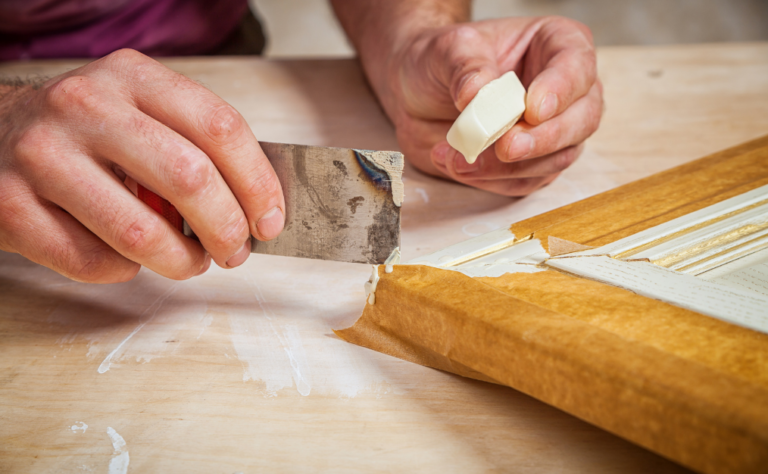
For small cracks, nail holes, or gouges, a stainable wood filler like Minwax is a solid choice — it accepts stain afterward, so a repair on a stained wood door doesn’t stand out.
Steel Doors
Steel doors are known for their durability and robust nature, making them a strong option for exterior doors. One significant challenge with steel doors is that dents are harder to fix compared to other materials. Despite this, steel doors offer excellent security and are less prone to warping or swelling.
Regular maintenance is still necessary to prevent rust and ensure the door continues to provide adequate security. Steel doors are often favored for their strength and ability to withstand harsh weather conditions.
Fiberglass Doors
Fiberglass doors are durable and resistant to warping, requiring minimal upkeep. Their superior insulation properties help maintain indoor temperatures and reduce heating and cooling costs.
Energy-efficient doors, such as those made from fiberglass, contribute significantly to reducing energy bills and maintaining a comfortable indoor environment.
DIY vs Professional Help
Deciding whether to tackle door repairs yourself or hire a professional can be challenging. Minor door repairs are often easy for homeowners, making DIY appealing. However, some fixes need specialized knowledge or tools, which can be costly if mishandled.
Necessary Skills for DIY
Technical skills, tools, and patience are key for successful warped door repairs. Homeowners should assess their ability before starting DIY tasks. Gaining these skills helps in managing minor door issues independently.
Having the appropriate tools can significantly reduce the risk of causing additional damage during restoration. Minor fixes such as sanding down, filling cracks, and replacing old hinges or other hardware can be performed by homeowners with the right tools and knowledge.
Hiring Professionals
Professionals ensure effective and efficient door restoration and replacement. They bring expertise and technical knowledge, making them ideal for complex repairs requiring specialized skills.
Homeowners should prioritize contractors with positive reviews and those that advertise door repair services. While professionals charge more than DIY, the peace of mind and warranties provided can be well worth the investment.
Energy Efficiency and Home Security
Doors significantly affect energy efficiency and home security. Drafty doors can increase energy costs due to air leakage. A well-sealed door enhances security and minimizes air leakage, crucial for energy savings. Proper closing and latching prevent unauthorized access and maintain efficiency.
Improving Energy Efficiency
New doors with solid insulation reduce heat loss in winter and maintain cooler summer temperatures, lowering heating and cooling expenses. Regular maintenance for wooden doors prevents swelling and rot. Effective insulation from new doors can significantly reduce energy bills.
Addressing energy efficiency through door replacement can be a cost-effective measure in the long run, reducing future maintenance and energy bills.
Enhancing Home Security
A damaged front door can compromise home security, possibly requiring replacement. For adequate security, the door must close and latch fully. With roughly a third of burglars entering through the front door, securing this entry point is crucial.
Maintaining door hardware like locks and hinges is vital for home security. Regular inspections and timely repairs can prevent security breaches.
Aesthetic and Functional Considerations
Doors serve multiple roles: safety, access, protection, privacy, and aesthetics. Replacing a door can enhance both appearance and functionality.
Matching Architectural Styles
Door style can reflect a building’s architectural period and cultural background. Choosing doors that align with the home’s style enhances visual coherence.
Unique door designs can serve as focal points, enhancing the architectural interest of your home. Researching and choosing doors that align with the home’s architectural design enhances overall aesthetic harmony.
Functional Roles of Doors
Exterior doors need more security features than interior doors, which focus on privacy and aesthetics. Built to endure harsh weather, exterior doors prioritize security in a way interior doors don’t need to.
Internal doors provide essential privacy and soundproofing, particularly in areas like bedrooms and bathrooms. The functionality of doors varies, with sliding options being practical for limited spaces.
The Process of Door Repair
Assessing door damage determines if it can be repaired. Gathering the necessary tools and materials is essential for the repair process.
Perform repairs by applying the chosen filling material deeply within the cracks and waiting for it to dry before sanding. Ensure the door is hung straight and square, and check that it latches correctly to finalize the repair.
Proper door maintenance and timely repairs can extend the life of your door and maintain its functionality and appearance.
The Process of Door Replacement
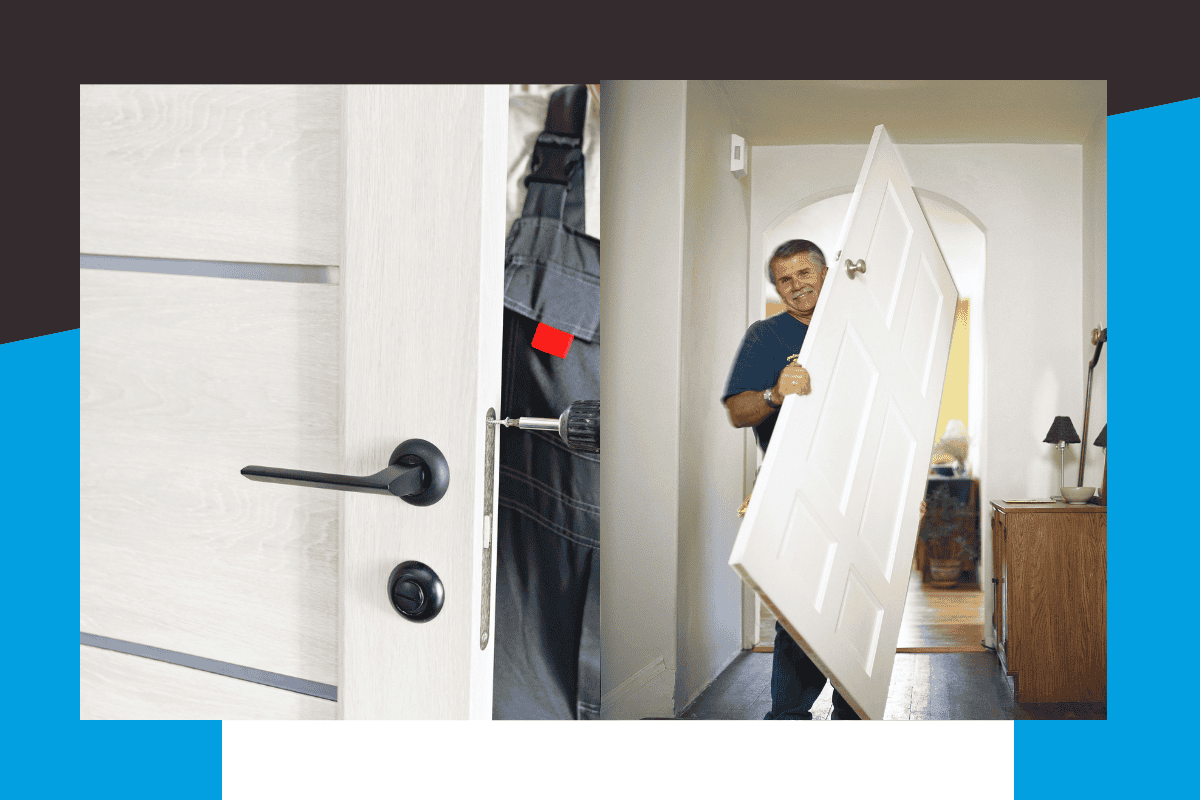
Replacing a damaged front door is crucial for maintaining home security. The first step is removing the old door and frame, including trim and molding. Proper hardware, including the door, frame, hinges, and fixtures, is essential, and the new door must fit the available space.
Using shims can help ensure the new door frame fits tightly and is correctly aligned in the rough opening. After installing the new door, it’s important to check that it opens and closes smoothly and that the latch engages correctly.
Weatherproofing the new door includes sealing around the perimeter with caulk and installing a door sweep at the bottom.
Summary
Deciding between door repair and replacement involves evaluating the extent of damage, costs, material considerations, and whether to DIY or hire a professional. The door repair vs replacement decision comes down to matching the fix to the actual severity of the problem. Minor damage can often be addressed with simple fixes, while major damage may necessitate a full replacement. The choice of door material influences repair needs, costs, and overall performance.
Ultimately, making an informed decision about door repair or replacement can enhance your home’s energy efficiency, security, aesthetics, and functionality. By understanding the factors involved, you can choose the solution tailored to your needs and budget.
FAQs: Your Door Questions Answered
1. When should I repair a sliding door?
Repairing a sliding door is a great option if the door struggles to slide smoothly but isn’t damaged structurally, or if broken components like rollers or handles can be replaced without affecting the door’s integrity.
If the sliding door has warped, cracked glass, or significant frame damage, replacement might be the better choice.
2. How much does a professional door repair cost?
The cost varies depending on the issue:
- Minor repairs: $50–$150 for fixes like scratches or broken hardware.
- Frame repairs: $100–$500, depending on the extent of the damage.
- Sliding door repairs: Typically $100–$250 for track or roller replacements.
If repairs start approaching the cost of a new door, consider replacement for better long-term value.
3. How do I know if my door needs replacement?
Some signs that warrant a replacement include severe damage like rot, rust, or cracks; persistent drafts causing higher energy bills; and security concerns, such as a warped frame or outdated locks.
If multiple repair jobs haven’t solved the issue, it’s likely time for a complete replacement.
4. Can I replace a door without replacing the frame?
Yes, if the frame is still in good condition. However, if the frame is warped, rotted, or misaligned, replacing both the door and frame is the best solution to ensure a proper fit.
5. What’s the lifespan of a front door?
The lifespan depends on the material: wooden doors last around 20 years with proper maintenance, steel doors 20–30 years provided they’re rust-protected, and fiberglass doors can last 30+ years with minimal upkeep.
Replacing your door before it reaches the end of its lifespan can improve efficiency and security.
For more on doors and hardware, explore the rest of Door Digest.