Bifold Door Hardware
Disclaimer Some links on this page are Amazon affiliate links which means if you choose to make a purchase, we may earn a small commission from Amazon at no extra cost to you. We greatly appreciate your support!
Bifold doors are a popular choice in modern homes and offices for their space-saving design, but the hardware behind them is what actually determines whether they operate smoothly for years or start binding and sagging within months. This guide covers the core components, how to choose the right hardware for your setup, installation steps, and ongoing maintenance.
Understanding Bifold Door Hardware
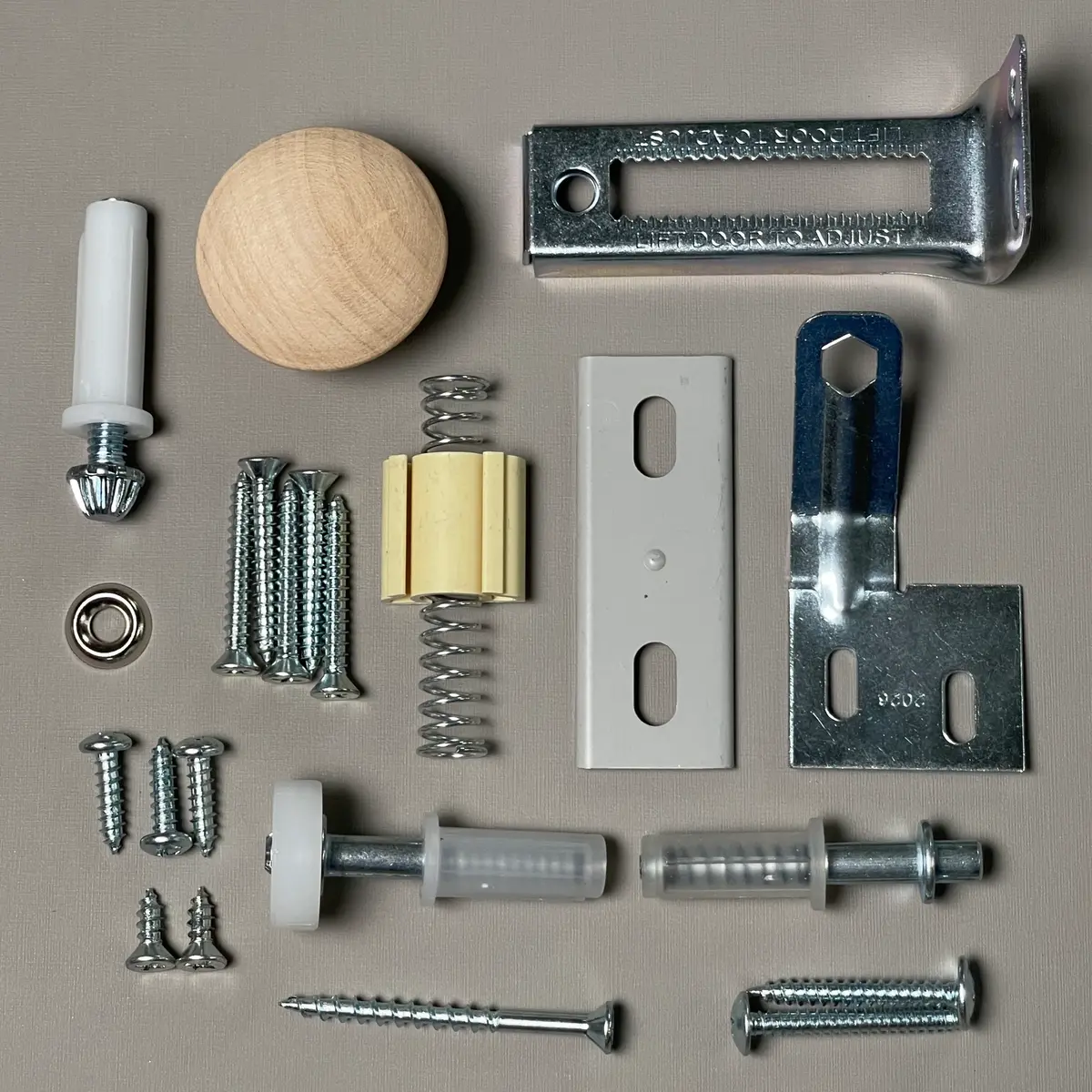
The core of any bifold door system is the pivot bracket — a small component anchored at both ends of the door that allows it to swing open and closed while staying securely in place. Pivot brackets work together with guide wheels riding along a track: the brackets keep the door anchored and balanced, while the guide wheels let it glide. That combination is what makes “bifold sliding” work as one smooth motion rather than a series of separate movements.


Finish matters too, even on functional hardware — a satin nickel track or nickel-coated pivot set adds a noticeable amount of visual polish, whether you’re working on a commercial-grade installation or a home closet door.
Types and Components of Bifold Door Hardware
Pivot brackets sit at each end of the door within the track system, keeping everything aligned as the door operates. Beyond pivot brackets, most manufacturers sell complete hardware kits for bifold doors that bundle pivots, guides, hinges, and handles together — generally the simpler option unless you have a specific reason to mix components from different sets.
Whichever route you take, match the hardware to your project’s actual requirements: door weight, max panel width, and panel height all affect which components will hold up over time.
Selecting the Right Bifold Door Hardware
A few factors matter most when choosing hardware:
- Panel width: Wider panels may need more robust hardware, or even multiple hardware sets.
- Panel weight: Heavier panels require sturdier hinges and tracks — lightweight residential hardware won’t hold up under commercial-grade use.
- Hanger type: Guide wheels tend to be easier to use day-to-day, while pivot brackets often provide more stability, especially on thicker panels.
For a deeper look at matching hardware specs to your exact panel dimensions and load requirements, this breakdown of components, load, and fit is a useful reference before you buy.
Installing Bifold Door Hardware
Installing bifold door hardware is a manageable DIY project once you know the sequence, similar in spirit to installing a door closer.
- Prep the opening. Make sure the door jamb is level and free of debris, then measure the width of the opening to determine what size track you need. Cut the track down with a hacksaw if necessary — wear safety goggles.
- Fit the track and pivot brackets. Mount the track at the top of the frame, drilling pilot holes before securing screws. Fit pivot brackets at both ends of the track, and again at floor level for the bottom pivots, making sure the top and bottom brackets line up accurately.
- Hang the doors. Align each panel so its pivot pin slots into the corresponding bracket at both the top and bottom. Don’t force a panel that isn’t slotting in easily — some adjustment is usually needed rather than pressure.
- Add door guides. Installed at floor level, these keep the doors aligned and moving smoothly once everything else is in place.
If anything doesn’t fit as expected, check the manufacturer’s specific installation instructions before forcing a connection — small variations between hardware sets are common.
Maintaining and Repairing Bifold Door Hardware
Regular maintenance prevents most common bifold door issues — jammed doors, misaligned tracks, stiff hinges. A few habits go a long way:
- Lubricate the pivot set and hinges periodically with a light oil to keep operation smooth.
- Clean the tracks regularly to clear dust and debris that can cause dragging.
- Replace rusty or stiff hinges promptly — a commercial-grade replacement is worth the small upcharge if the door sees daily use.
Choosing a Finish
Finish affects both looks and durability. Match the finish to your existing decor — stainless steel, brass, bronze, or nickel all read differently depending on the space. For outdoor or high-moisture areas, choose a weather-resistant coating to prevent rust, and factor in that some finishes require more upkeep than others.
FAQs in Relation to Bifold Door Hardware
What hardware do I need for bifold doors?
Pivot brackets, hinges, guide wheels, tracks, and a handle set cover the essentials for most installations.
Why are bifold doors not always a popular choice?
They can obstruct part of the door opening when folded, which is a drawback pocket and sliding doors don’t share.
What trend is replacing bifold doors?
Pocket doors and barn-style sliding doors have become popular alternatives, saving space while offering a more modern look.
What type of hinge is on a bifold door?
Bifold doors typically use mortise hinges, which allow the panels to fold inward smoothly.
Conclusion
Getting bifold door hardware right comes down to matching components to your panel’s actual weight and width, installing the track and pivots carefully, and keeping up with basic lubrication and cleaning. Get those right, and a bifold door will keep operating smoothly for years.
For more on doors and hardware, explore the rest of Door Digest.