Bifold Doors
Disclaimer Some links on this page are Amazon affiliate links which means if you choose to make a purchase, we may earn a small commission from Amazon at no extra cost to you. We greatly appreciate your support!
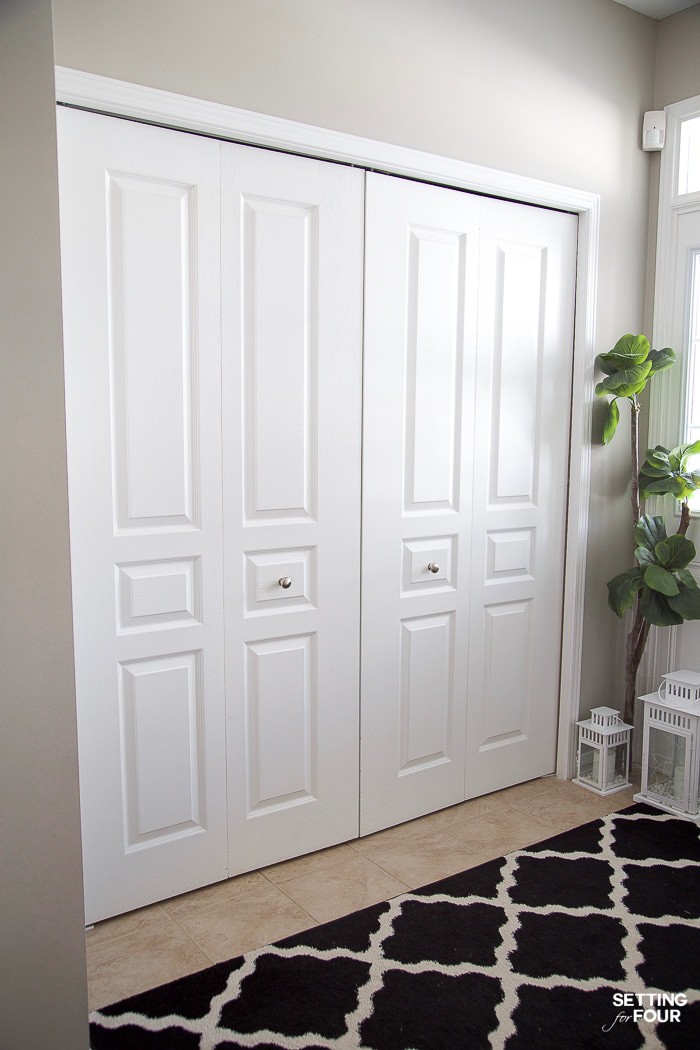
Bifold doors fold in on themselves rather than swinging open, which makes them a practical fit for closets, pantries, and any opening where a traditional swing door would eat up too much floor space. They’re also popular for connecting indoor and outdoor areas, since a fully-opened bifold set can turn a wall into an open connection between two spaces. This guide covers the main types, how to choose the right one, and how they compare to other door options.
Understanding Bifold Doors
Bifold doors work in pairs, with sections that fold on themselves as they open — giving you close to full access to the opening without needing the floor clearance a swinging door requires. They come in a range of sizes, making them adaptable to closets, pantries, room dividers, and patio openings alike.
Types of Bifold Doors
Bifold doors are typically categorized by intended use and material.
Interior vs. exterior: Interior bifold doors partition rooms or create flexible space within a home, and are usually made from wood or glass. Exterior bifold doors are built specifically to handle outdoor conditions, connecting patios, decks, or gardens to interior spaces while holding up against weather.
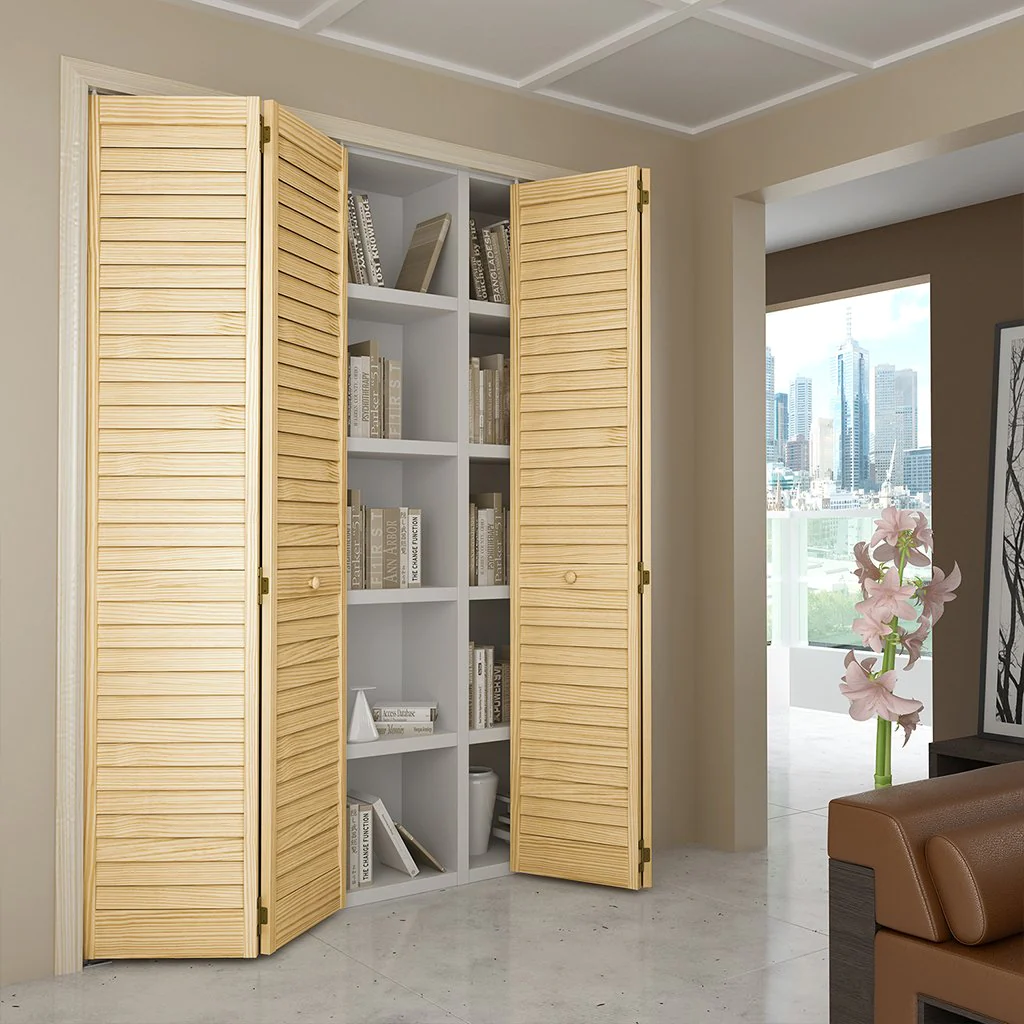
Wooden: Wooden bifold doors offer a classic, timeless look. Made from oak, pine, or other hardwoods, they’re highly customizable — stain or paint them to match almost any interior style — though they need more regular maintenance to keep their finish looking good.
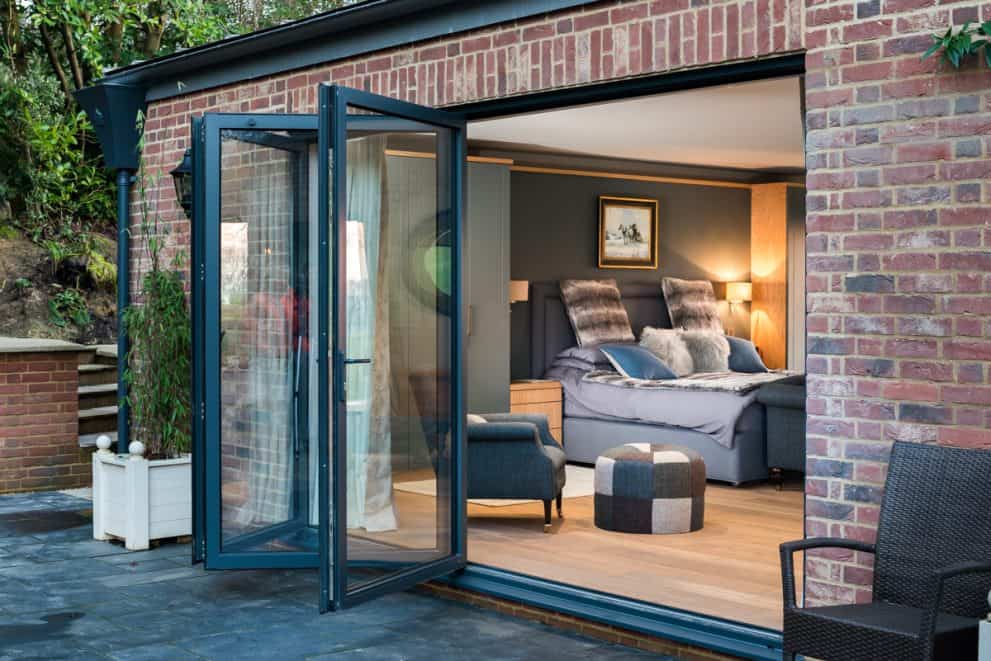
Aluminum: Lightweight but sturdy, aluminum bifold doors are popular in modern architecture for their weather resistance and low maintenance needs. They’re available in a range of finishes and colors.
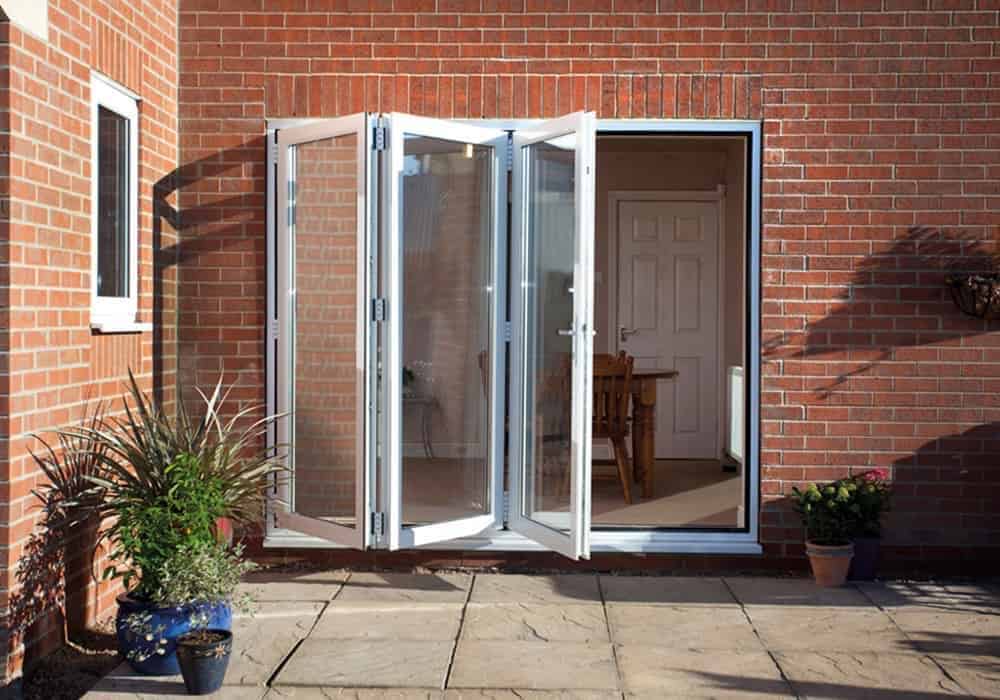
uPVC: uPVC bifold doors stand out for energy efficiency and affordability. They offer good insulation, resist rot and corrosion, and come in a range of colors and finishes — a solid cost-effective option if durability and low upkeep matter more than a specific material look.
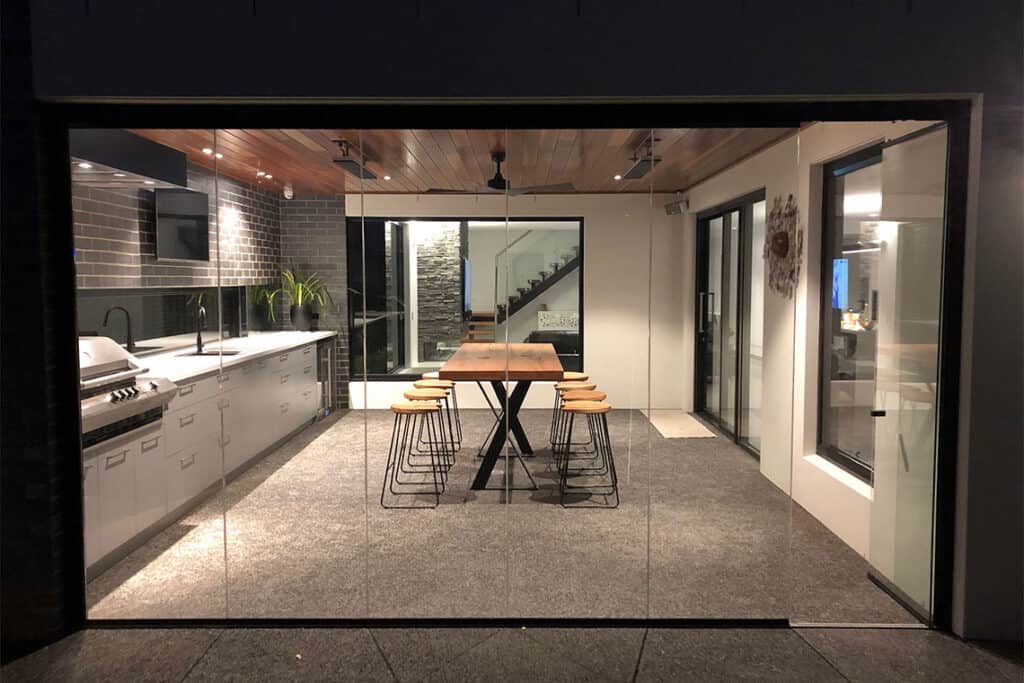
Frameless glass: Frameless glass bifold doors create a striking, modern look using large glass panels with no visible frames. They offer unobstructed views and let in significantly more natural light — a good fit for contemporary designs that want an open, spacious feel.
Choosing the Right Bifold Doors for Your Space
A few factors are worth weighing before you buy:
- Purpose and location: Interior use, an indoor-outdoor connection, or dividing a room each call for different materials and features.
- Material: Wood, aluminum, uPVC, and glass each trade off differently on aesthetics, durability, maintenance, and insulation.
- Style and design: Solid panels, glass panels (clear, frosted, or textured), or a mix — glass brings in natural light and a more open feel.
- Size and configuration: Measure the opening accurately, and decide on the number of panels and folding direction that fits your space.
- Functionality: Decide whether you need the full opening to connect spaces, or if a single traffic-door panel is enough for everyday access.
- Budget: Higher-quality materials and extra features cost more upfront but often pay off in durability.
- Manufacturer and warranty: A reputable manufacturer with solid warranty coverage is worth prioritizing over a marginally cheaper option.
Installation Basics
Getting the rough opening right matters more than almost anything else in a bifold install — it needs to be level, plumb, and square, with the exact clearance your specific door and hardware manufacturer recommends (typically an extra half-inch to an inch beyond the door’s actual width and height). Always check the manufacturer’s specific guidelines before framing, since requirements vary by model.
For the full hardware breakdown — pivot brackets, tracks, mounting steps, and troubleshooting — see our Bifold Door Hardware guide, which covers the installation process in detail.
The Role of Aesthetics in Door Selection
Beyond function, a bifold door contributes real visual value to a room. Surface finish plays a big part — natural wood grain under a clear varnish reads very differently than bold painted panels. If you want more control, custom bifold doors let you tailor panel profile, frame style, glass type, and finish to a specific look, whether that’s a pine shaker louver for rustic charm or a single clean panel for a more minimal look.
Comparing Bifold Doors to Other Options
Bifold doors are typically one of the more affordable interior door options, often costing less than barn doors for a comparable opening — a simple, effective design that delivers real functionality without a high price tag.
Maintaining Bifold Doors
Regular upkeep keeps a bifold door running smoothly for years:
- Keep tracks clean using a soft brush or vacuum, avoiding harsh chemicals that could damage the hardware.
- Lubricate moving parts — tracks, pivot points, hinges — with a silicone-based lubricant, wiping off excess to avoid attracting dirt.
- Check for loose hardware periodically, tightening any screws or fasteners before misalignment sets in.
- Adjust alignment if doors start rubbing or won’t close properly — most bifold doors have adjustable pivot brackets for exactly this.
- Avoid overloading the doors with hung items, which can strain the hinges over time.
Pros and Cons of Bifold Doors
Benefits: Bifold doors maximize usable space, both indoors and where they connect to an outdoor area. When fully open, they create a wide, unobstructed connection between spaces. Their configuration flexibility makes them adaptable to smaller or larger openings, and glass panel options bring in natural light even when the doors are closed.
Drawbacks: Bifold doors can get in the way in high-traffic areas, since the folded panels take up some space even when open. They also tend to need more maintenance than a traditional swinging door, given the track and roller mechanism involved.
FAQs in Relation to Bifold Doors
Why are bifold doors no longer popular?
They haven’t actually lost popularity — preferences have just diversified, with some homeowners now leaning toward sliding or pocket doors for a sleeker look.
What are the disadvantages of bifold doors?
They can occasionally jump off track, and they offer somewhat less privacy than a solid swinging door due to the small gaps at the panel seams.
What can I use instead of bifold doors?
French doors, sliding doors, or pocket doors are all common alternatives, depending on the space and look you’re after.
Conclusion
Bifold doors offer a genuinely practical way to save space while adding style — whether you’re drawn to a wood-paneled look, a frameless glass option, or something in between. Get the material, sizing, and installation right, and a bifold door will keep operating smoothly with only minimal upkeep.
For more on doors and hardware, explore the rest of Door Digest.