Prehung Doors
Disclaimer Some links on this page are Amazon affiliate links which means if you choose to make a purchase, we may earn a small commission from Amazon at no extra cost to you. We greatly appreciate your support!
A prehung door comes with the frame, hinges, and often the hardware prep already installed — the opposite of a slab door, which is just the door panel on its own. That difference is what makes prehung doors the standard choice for most new construction and full door replacements today. This guide covers how they evolved, their real advantages, how to choose between the different types, and how installation works.
The Evolution of Prehung Doors
Before prehung doors existed, installing a door meant precise measurements, real carpentry skill, and a lot of time. Prehung units addressed that by offering doors pre-installed on frames, complete with hinges and often the necessary hardware — simplifying installation while also ensuring a more consistent fit.
The concept gained traction in residential construction where time and cost savings mattered most, and as manufacturing improved, prehung doors became available in far more styles and materials. Today they’re the standard choice for builders, remodelers, and DIY installers alike.
Demand for better insulation drove real technical improvements too — materials like fiberglass and steel improved both energy performance and soundproofing, a trend that’s continued as energy efficiency standards for building components have gotten stricter. More recently, the market has shifted toward customization — finishes, sidelights, transoms — without giving up the core convenience of a ready-to-install unit.
The Practicality of Prehung Doors
Since the frame is already attached to the door, there’s no need to separately fit a door into an existing frame — a task that’s genuinely time-consuming to get right. Contractors often prefer prehung doors specifically because they install faster than slab doors, and the built-in seal between door and frame cuts down on drafts, which matters most for exterior applications.
Prehung doors also tend to need less ongoing maintenance than slab doors, since the door, hinges, and frame function as one aligned unit from the start — fewer alignment problems, less warping-related sticking. When repairs are eventually needed, swapping just the door is straightforward.
A properly installed prehung door also just operates better day to day — smoother opening, no squeaks or jams that poorly-fitted doors sometimes develop. Bob Vila’s installation guide notes that prehung doors are generally easier for DIYers to install correctly than slab doors, precisely because the frame alignment is already built in.
Benefits of Using Prehung Doors
Energy Efficiency
Since the frame is matched precisely to the door, there’s less room for drafts to sneak through — a meaningful factor in energy efficiency. The U.S. Department of Energy notes that sealing uncontrolled air leaks can save 10–20% on heating and cooling costs.
Sound Insulation
A solid-core prehung door blocks noise noticeably better than a hollow-core option, making it a good choice for homes or offices where privacy matters.
Ease of Installation
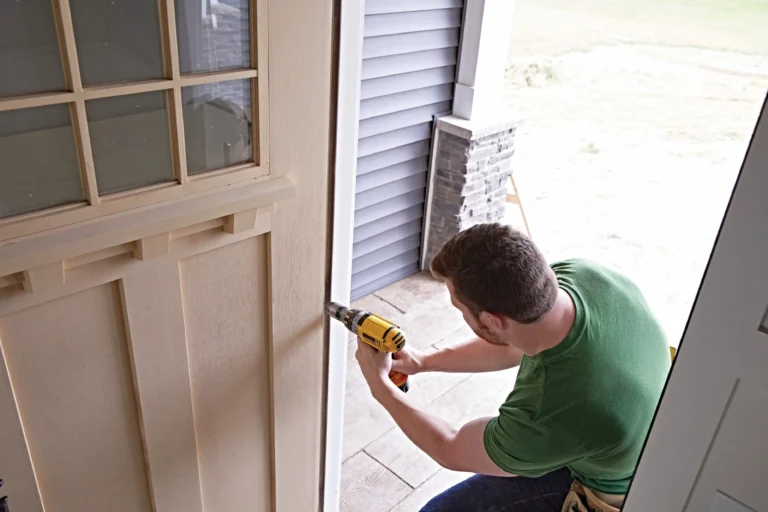
Here’s the general installation process:
- Gather materials: prehung door, shims, a level, hammer, nails, screwdriver, tape measure, and a saw.
- Prepare the opening: confirm the rough opening is plumb, level, and square, clear of debris, and matches the door’s dimensions.
- Position the door: center it in the opening with the hinge side flush against the stud, using shims to adjust as needed.
- Shim the door: insert shims between the frame and rough opening, focusing on the hinge locations and near the strike plate.
- Check plumb and level: on both the hinge side and latch side, adjusting shims until it’s accurate both vertically and horizontally.
- Secure the door: drive screws through the frame and shims into the rough opening, starting at the hinge side.
- Trim excess shims with a utility knife or saw.
- Attach trim around the frame if it wasn’t included with the door.
- Test the door for smooth operation, adjusting shims if needed.
- Install hardware — knob, latch, and anything else — per the manufacturer’s instructions.
Always check your specific manufacturer’s instructions, since details vary between models.
Interior vs. Exterior Prehung Doors
Exterior prehung doors need to hold up against weather, so solid wood, steel, and fiberglass are the common materials — chosen as much for insulation and energy performance as for toughness. Interior prehung doors don’t face those demands, so lighter materials like hollow-core wood or MDF are common, trading some durability for cost savings and style flexibility.
Design also differs by placement — glass inserts are more common on exterior doors, letting in natural light at an entryway, while interior doors offer a wider range of panel styles, from traditional six-panel designs to minimalist flat panels.
Solid Core vs. Hollow Core Prehung Doors
For interior prehung doors, the decision usually comes down to solid core versus hollow core:
- Weight: Hollow core doors are lighter and easier to handle during installation; solid core doors are heavier but more durable.
- Noise reduction: Solid core doors offer noticeably better soundproofing than hollow core.
- Material: Solid doors use an inner filling for robustness; hollow doors use a honeycomb cardboard structure that keeps them light but reasonably sturdy for everyday use.
- Cost: Hollow core doors are generally cheaper thanks to simpler construction and materials.
There’s no universal right answer here — it comes down to what your specific space and budget need.
Panel Options for Prehung Doors
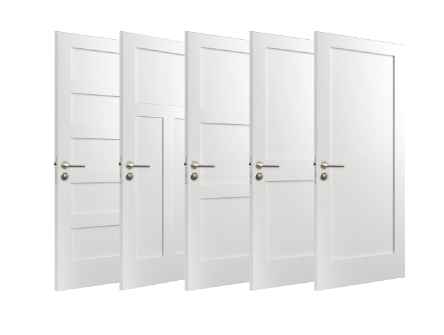
Panel design affects privacy, light, and insulation as much as looks.
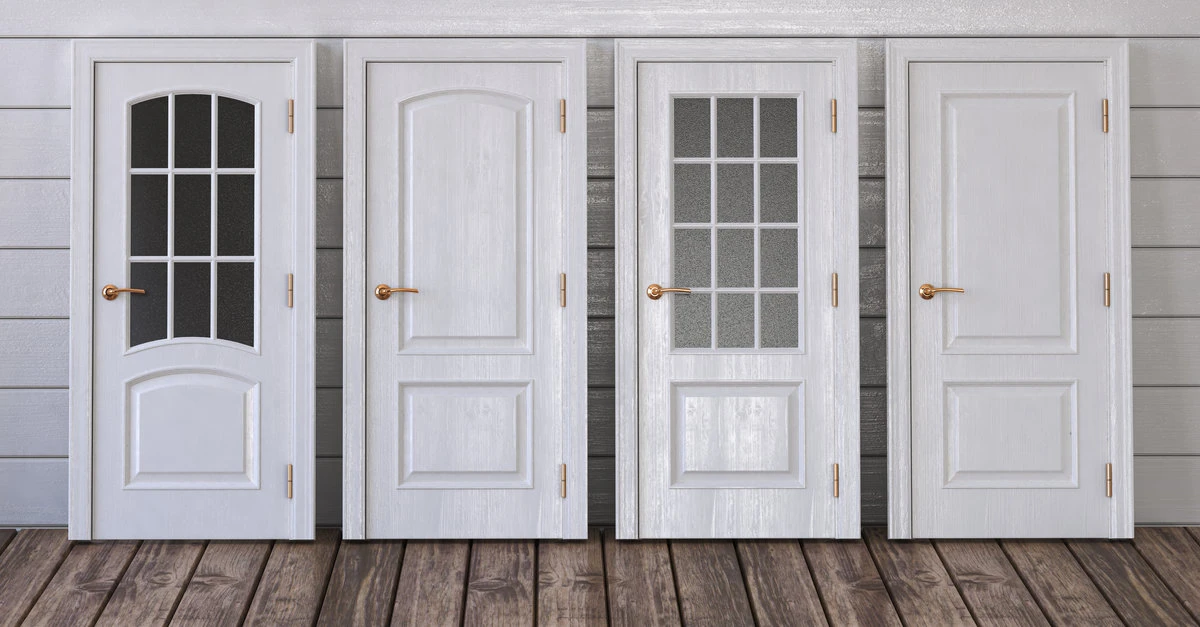
Traditional panels suit a classic or vintage look — raised or flat panels in familiar patterns like the six-panel design, or two-panel arch-top doors for a softer, more curved look.
Contemporary panels lean toward sleek flush doors that let other design elements take the spotlight, or geometric layouts like five stacked horizontal rectangles for a more urban, loft-style look.
Glass panel doors are the choice if natural light matters most — full-length glass panels maximize illumination, while half-glass designs balance light with privacy. Frosted or stained glass options add style while still letting light through. French doors are a common example of an exterior glass-paneled prehung door.
Casing Options for Prehung Doors
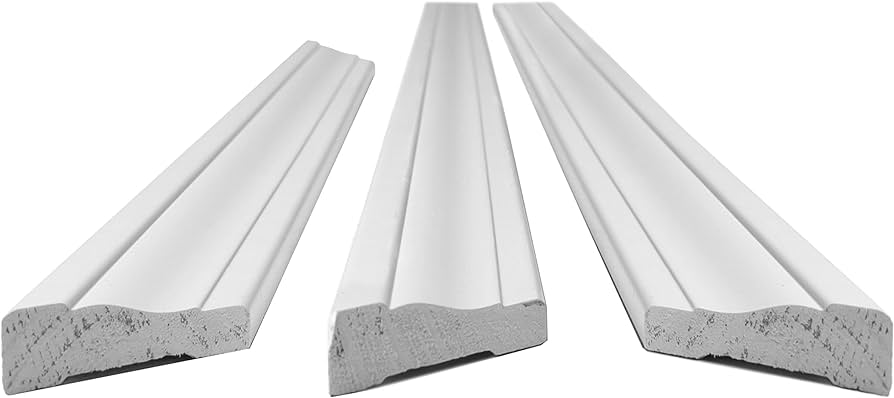
The casing around a prehung door does real visual work. Fluted casings add vertical grooves and depth, suited to traditional or classical interiors. Flat casings offer a clean, contemporary finish without extra ornamentation.
For a more rustic look, barn-style or shaker-style casings play up natural wood texture and grain for a warm, farmhouse feel — barn-style options in particular have grown more popular for exactly this reason.
FAQs in Relation to Prehung Doors
What are the disadvantages of a prehung door?
They may not fit perfectly in older homes with non-standard door openings, which can require extra framing work.
Is it cheaper to buy prehung doors?
Generally yes — prehung doors typically cost less than buying a door and frame separately.
Are prehung doors easier to install?
Yes. With the frame, hinges, and hardware prep already assembled, installing a prehung door is usually quicker and less complicated than installing a slab door into an existing frame.
What is the difference between a prehung door and a regular door?
A regular (slab) door is just the door panel — no frame or hinges included. A prehung door comes as a complete unit: door, frame, and hinges pre-assembled and ready to install.
Conclusion
Prehung doors offer a real practical advantage — easier installation, a more consistent fit, and fewer long-term maintenance issues than a slab door in an existing frame. Whether you’re choosing solid core or hollow, interior or exterior, or a specific panel and casing style, getting the fit and installation right up front pays off in a door that keeps working smoothly for years.
For more on doors and hardware, explore the rest of Door Digest.