Kick Plates
Disclaimer Some links on this page are Amazon affiliate links which means if you choose to make a purchase, we may earn a small commission from Amazon at no extra cost to you. We greatly appreciate your support!
Is high foot traffic causing excessive wear on your front door? Installing a door kick plate is one of the simplest ways to protect it. This guide covers what a kick plate actually is, its benefits, how to size and mount one, and how to tell whether your door needs one.
What Is a Door Kick Plate?
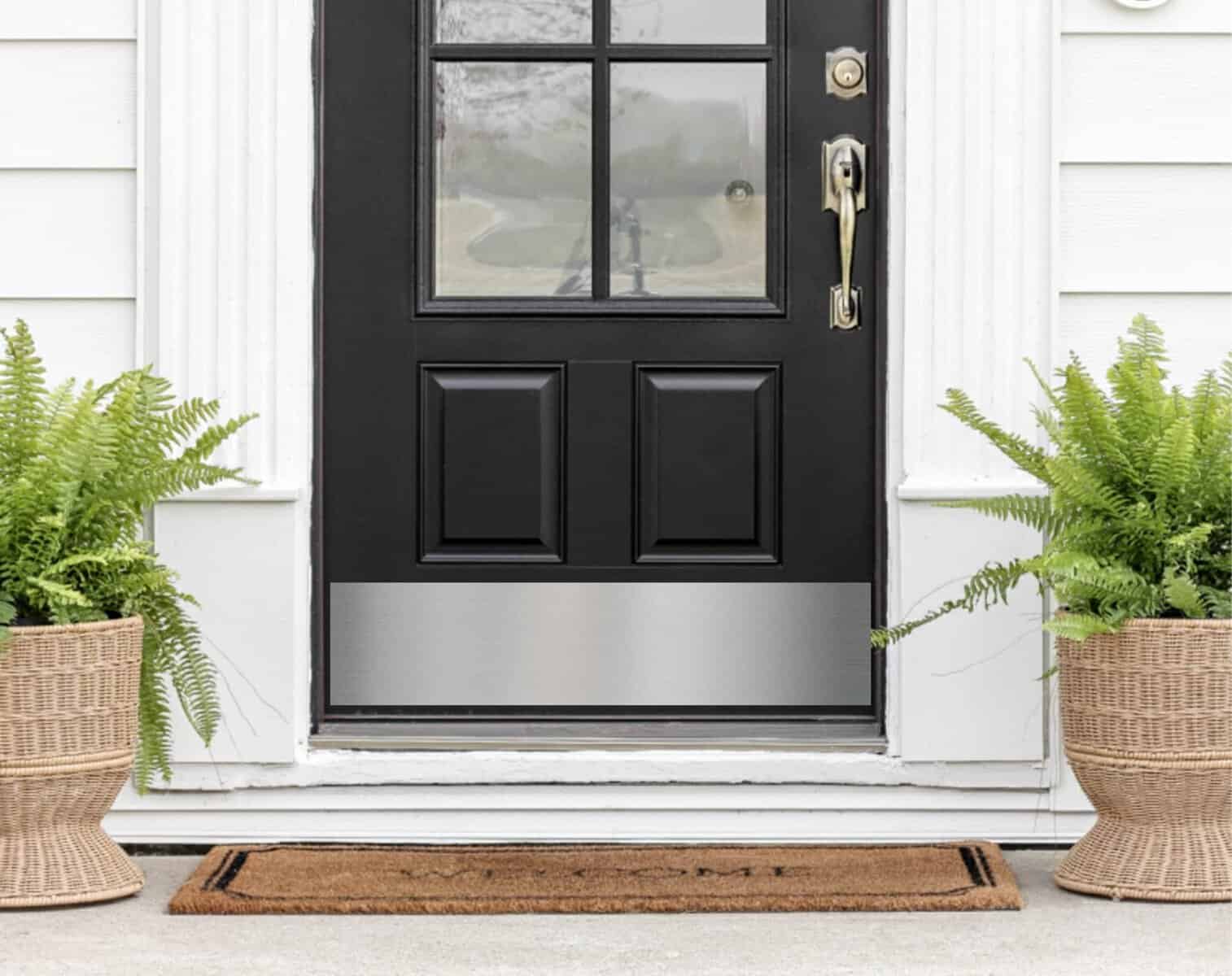
A door kick plate is a metal or durable plastic sheet attached to the bottom of a door to protect it from damage — placed low because that’s where people tend to inadvertently kick or scuff the surface while entering or exiting. They’re a staple in commercial and public spaces, but they work just as well in a home.
These plates are commonly made of metal — brass, aluminum, or stainless steel — though plastic or vinyl versions exist too. Metal is the stronger option if durability is the priority; plastic tends to offer more color and customization choices while still holding up reasonably well.
Benefits of Door Kick Plates
Adding one of these to your entryway pays off in a few concrete ways — beyond just looking good, the protection adds up over years of daily use.
1. Protection Against Damage
They protect a door from dents, scratches, and general wear from shoes and other ground-level impacts. Left unchecked, that kind of damage builds up over time and makes a door look old fast.
2. Aesthetic Appeal
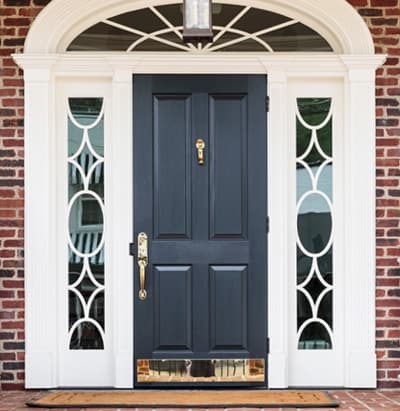
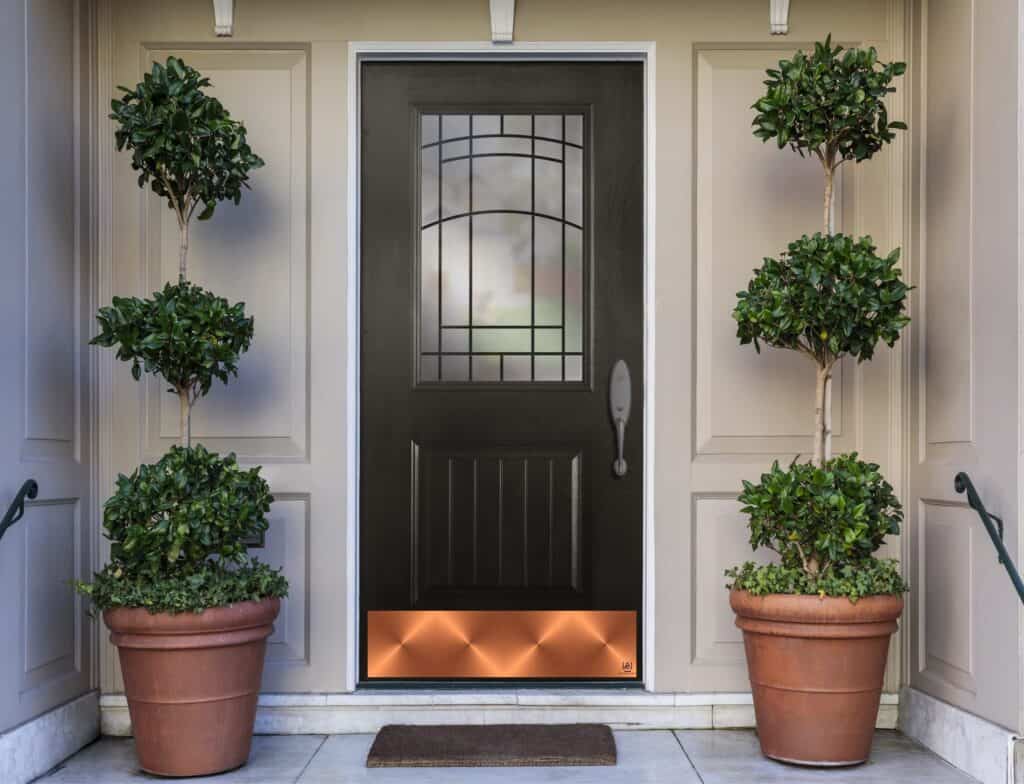
Installing one instantly adds decorative appeal to an entryway. Plastic versions come in a range of colors to match an existing scheme, while metal options — stainless steel, brass, bronze — can genuinely elevate the look of an entrance.
3. Increased Longevity
By shielding the lower part of the door, this simple addition extends its usable life — meaning fewer repair costs and less frequent replacement.
4. Easy Maintenance
These plates are simple to clean — a damp cloth is usually all it takes to clear grime, dirt, or debris, keeping the entrance looking sharp with minimal effort.
5. Better Hygiene
In high-traffic areas, shoes track in a lot of dirt and bacteria. This layer of protection helps limit how much of that builds up directly on the door’s surface.
Sizing and Mounting Considerations
Getting the size right matters as much as the material. Standard widths typically run from 6 to 10 inches tall, and the plate should span nearly the full width of the door, leaving a small margin on each side. Measure your door’s width before ordering — an oversized plate looks awkward, and an undersized one leaves gaps that defeat the purpose.
Mounting is usually straightforward: most plates attach with small screws along the edges, though adhesive-backed options exist for a screw-free install. If your door already has visible wear where a previous plate sat, matching the new screw holes to the old ones can save you from patching unnecessary gaps in the door’s surface.
Does Your Front Door Need One?
A few signs point to yes:
- Visible wear: Scuffs, dents, scratches, or chipping near the bottom of the door.
- High foot traffic: If the door sees regular, heavy use, a kick plate helps offset the impact.
- Commercial or public use: Hospitals, restaurants, schools, and similar high-traffic buildings benefit especially.
- Weather exposure: Doors regularly exposed to snow, hail, or rain pick up more mud and debris damage without one.
- Specific users: Doors used often by wheelchair users or parents with strollers tend to see contact at a lower height, where a kick plate is exactly the right protection.
For general guidance on matching a plate’s size and finish to your door, this kick plate buying guide covers the basics of material options and sizing.
Protect Your Entrance and Boost Its Appeal
If a doorway is wearing down and starting to look worn, a kick plate is a small investment that pays off — protecting the door while adding a real style upgrade at the same time.
For more on doors and hardware, explore the rest of Door Digest.