Top 10 Door Repair Tools Every Homeowner Must Have
Disclaimer Some links on this page are Amazon affiliate links which means if you choose to make a purchase, we may earn a small commission from Amazon at no extra cost to you. We greatly appreciate your support!
A squeaky hinge, a sticky door, or misaligned hardware is more than an annoyance — it’s an invitation to frustration. The good news: with the right door repair tools, you can fix these common issues yourself, saving both time and money. This guide covers the essential door repair tools every homeowner should have, from hand tools to power tools and specialty gear, plus how to maintain them and what to look for when buying.
Key Takeaways
- A solid toolkit for door repairs includes essential hand tools like screwdrivers, hammers, and chisels.
- Power tools like cordless drills, electric sanders, and jigsaws add efficiency and precision to bigger jobs.
- Safety gear — glasses, gloves, and ear protection — matters just as much as the tools themselves.
Why Every Homeowner Needs a Door Repair Toolkit
Owning a basic toolkit for door repairs isn’t just convenient — it changes how you handle problems around the house. Fixing a sticky door or replacing a broken handle without calling someone in is a genuinely useful skill to have.
A few concrete reasons a door repair toolkit pays off:
- Save money: A quick DIY fix with a screwdriver or wood plane beats paying for a service call for something this simple.
- Convenience: No scheduling, no waiting — small issues like squeaky hinges or loose handles get fixed before they turn into bigger problems.
- Protect your home: Regular maintenance — adjusting hardware, planing a sticking door — prevents wear that could eventually damage the door or frame.
Essential Hand Tools
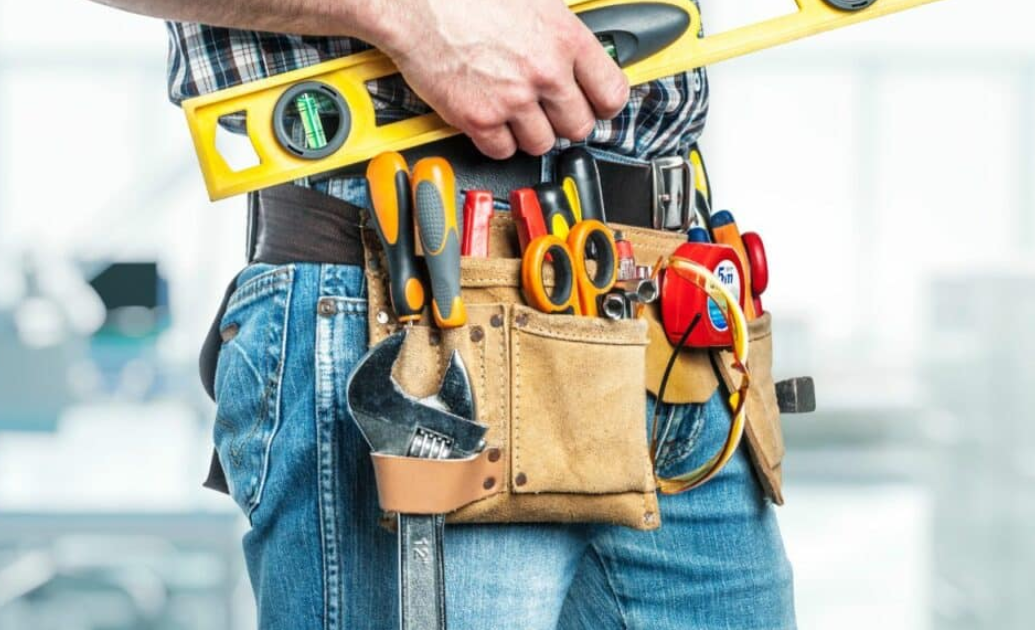
The right hand tools make door repairs far easier. These form the foundation of any repair job — a comprehensive toolkit usually starts with screwdrivers, a hammer, and chisels.
1. Screwdrivers

You’ll need a variety of head types — Phillips and flathead at minimum — to handle different screws without stripping them or damaging the hardware. A magnetic, multi-bit set like the WORKPRO 12-in-1 Ratcheting Multi-Bit Screwdriver Set covers both in one tool, which is the easiest way to stay ready for any screw-related task.
2. Hammer and Nails

A hammer is essential for driving nails into wood to secure door frames, and a claw-style hammer adds the ability to pull nails when needed. The Estwing 16 oz Curved Claw Hammer is forged from a single piece of steel with a shock-reduction grip — a genuinely solid, long-lasting pick. For fixing a loose frame or adding new trim, a reliable hammer and a small stock of nails go a long way.
3. Chisels

Chisels handle cutting, shaping, and removing material — in door repair, that mostly means adjusting hinges and cutting mortises for a proper fit. The IRWIN Marples 4-Piece Chisel Set covers the sizes (1/4″, 1/2″, 3/4″, 1″) you’ll need most for fitting new hinges or trimming excess material. Use a mallet rather than a hammer for better control.
Power Tools for Efficient Door Repairs
Hand tools cover the basics, but power tools make bigger or more complex jobs faster and more precise.
4. Cordless Drill

A cordless drill lets you drill and drive screws without dealing with a cord, and a good battery keeps you working through longer jobs without slowing down. The BLACK+DECKER 20V MAX Cordless Drill/Driver Kit offers an 11-position clutch for precision control — useful for anything from installing door handles to general assembly work.
5. Electric Sander
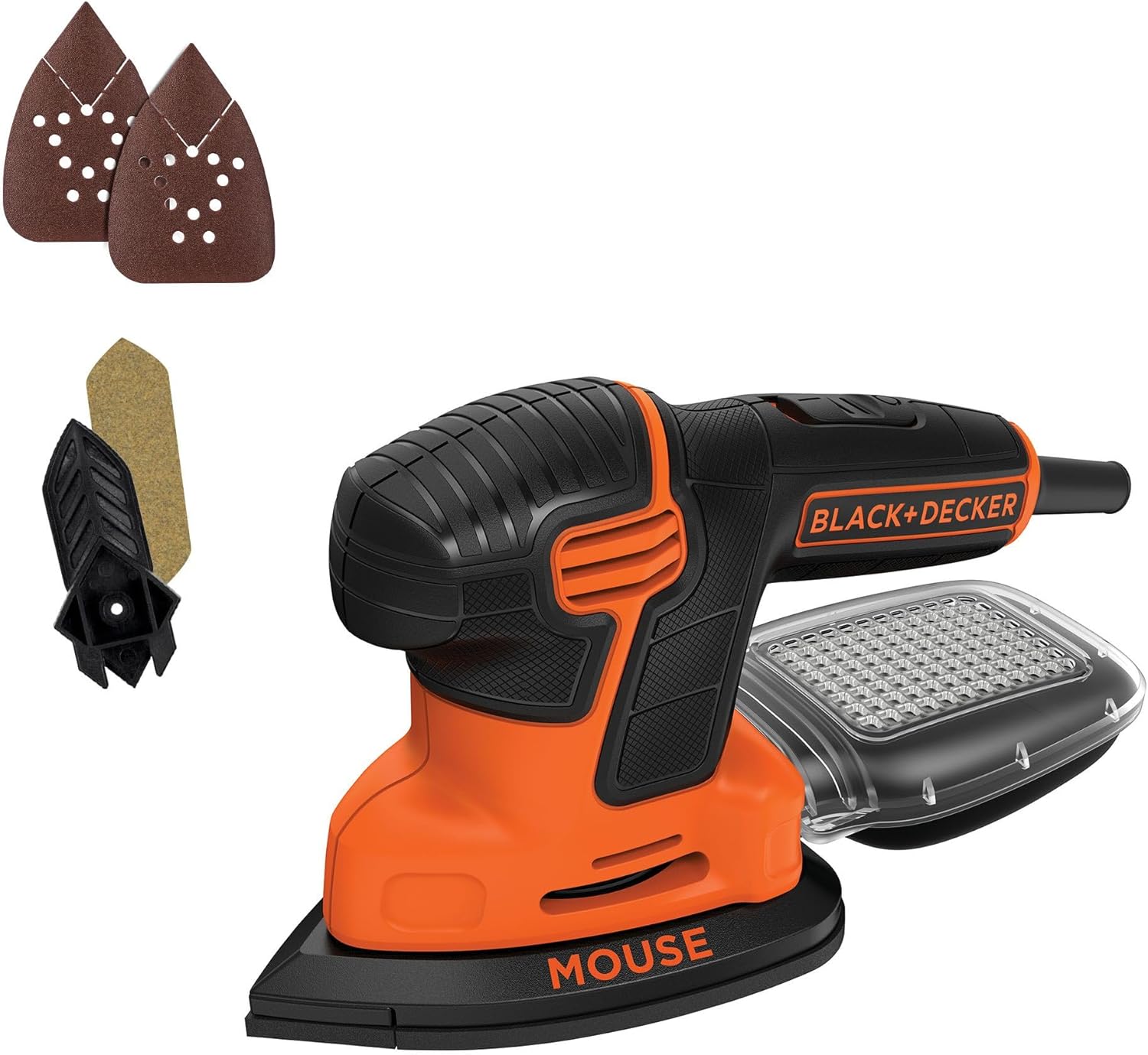
An electric sander smooths rough edges and surfaces far more evenly than sanding by hand. The BLACK+DECKER Mouse Detail Sander is compact enough to get into tight corners near hinges and trim, with a dust collector to keep the mess down. Use medium-grit paper for rough spots and fine-grit for finishing — a real time-saver when refinishing an old door or prepping a new one.
6. Jigsaw
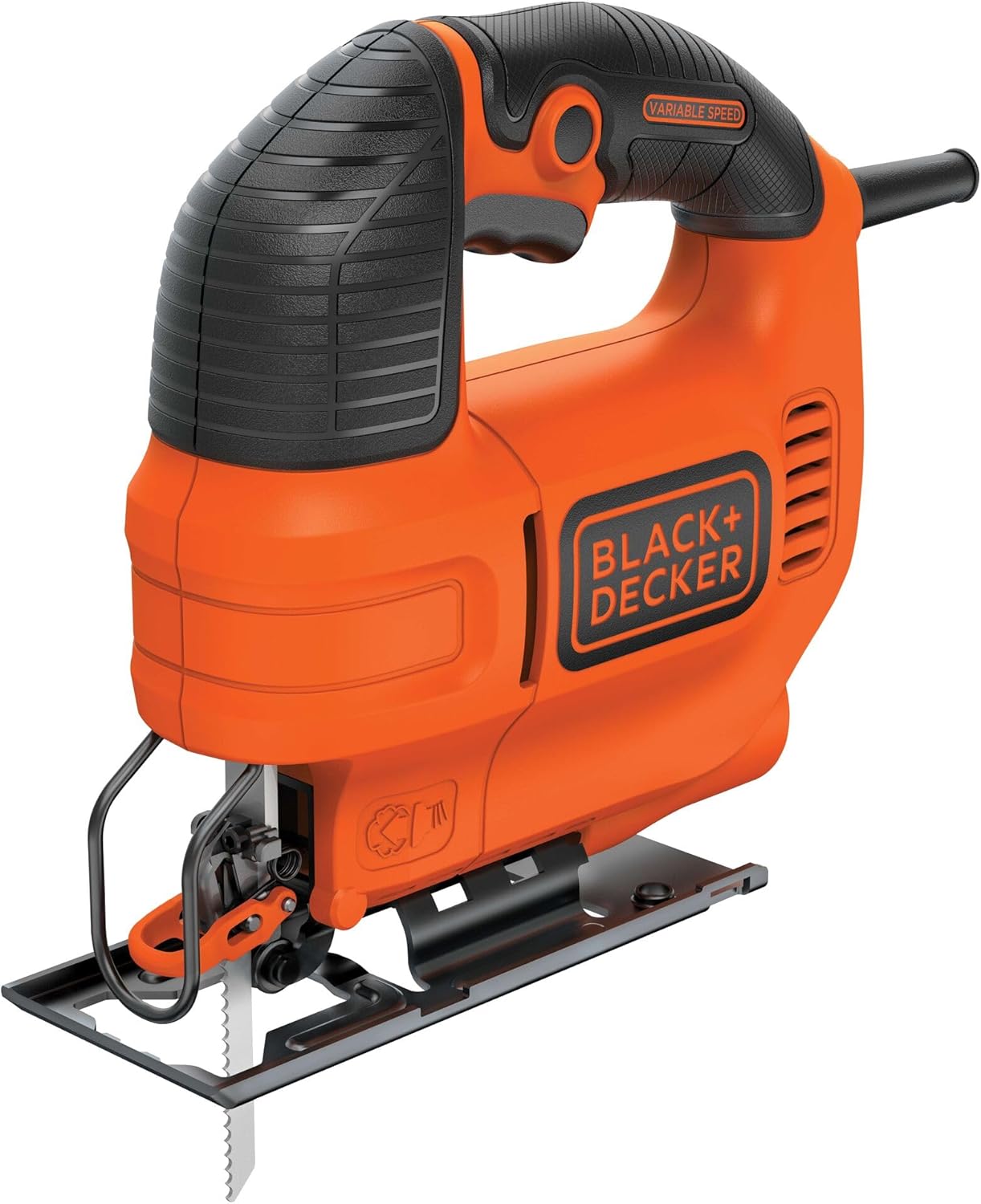
Jigsaws handle intricate cuts other tools can’t, making them ideal for customizing door trim and panels. The BLACK+DECKER 4.5-Amp Jig Saw offers variable speed up to 3,000 SPM and a tool-free blade clamp for quick changes. If you’re adding a personal touch to your home’s doors, a jigsaw is close to indispensable.
Specialty Tools for Advanced Door Repairs
A few specialized tools make more complex jobs noticeably easier and give a more professional-looking result.
7. Door Closer Installation Kit
Most kits include a drill guide template, screws, the closer itself, and the brackets and spacers needed for a proper fit. Having the full kit on hand makes for a genuinely convenient installation, and ensures the door closes properly and securely once you’re done.
8. Hinge Pin Remover

This small tool simplifies removing hinge pins without damaging the door’s finish — a genuine game-changer if you’ve ever fought with a stubborn pin using pliers or a screwdriver. The Hinge Outlet Door Hinge Pin Remover is heavy-duty steel with a durable plastic body, and makes hinge adjustments and replacements noticeably faster.
9. Lock Installation Kit
A typical kit includes a hole saw, a positioning jig, screws, and a latch mechanism. The hole saw creates the necessary holes while the jig keeps everything aligned, letting you install or replace a lock yourself instead of paying for installation.
10. Utility Knife

A utility knife handles trimming paint, cutting caulk, and cleaning up edges — small but genuinely useful for finishing touches. The IRWIN ProTouch Retractable Utility Knife has tool-free blade access and stores up to five spare blades right in the handle, so you’re never caught without one.
Safety Gear for Door Repair
Safety should always come first during repairs — the right gear prevents most common injuries.
- Safety glasses: Shield your eyes from flying debris. Lightweight, comfortable designs mean you’re actually more likely to wear them.
- Work gloves: Protect against cuts and abrasions while improving grip. Leather, rubber, and synthetic blends each offer different levels of protection and flexibility.
- Ear protection: Guards against hearing damage from loud power tools. Earplugs or earmuffs both work — the point is to use one of them consistently.
Maintenance Tips for Your Repair Tools
Proper maintenance keeps your tools working well for years.
Cleaning and lubrication: Wipe tools down after each use to prevent grime and rust buildup, and lubricate moving parts regularly to reduce wear.
Proper storage: Labeled, organized storage reduces clutter, keeps tools from getting damaged, and makes them easier to find when you need them.
Regular inspections: Checking tools periodically for wear or damage catches small issues before they become bigger, more expensive problems.
Buying Guide: How to Choose the Best Door Repair Tools
Finding the right door repair tools doesn’t have to be complicated. Here’s a quick framework whether you’re just starting your toolkit or upgrading it. For a deeper look at material quality and durability testing, Consumer Reports’ tool testing guides are a solid outside reference.
Where to Buy
- Big box stores: Home Depot, Lowe’s, and Ace Hardware cover a wide range of tools at every budget.
- Online retailers: Amazon and specialized tool sites make comparison shopping easy, with detailed reviews and fast delivery.
- Local hardware stores: Good for hands-on shopping where you can actually test a tool before buying.
Look for Quality Materials
Durability saves you from replacing tools constantly. Look for hardened steel on metal tools like screwdrivers and chisels, comfortable non-slip grips, and a lightweight-but-sturdy build. It’s worth asking about warranties — brands like DeWalt, Milwaukee, and Craftsman often back their tools with solid long-term coverage.
Budget-Friendly vs. Premium
Your choice mostly comes down to how often you’ll actually use the tool. Budget-friendly brands like Stanley, Black+Decker, and Kobalt suit beginners or occasional DIYers well. For frequent use or more advanced projects, premium brands like DeWalt, Milwaukee, and Bosch are worth the extra cost.
Opt for Multi-Purpose Tools
Tools that serve more than one function save both space and money — a magnetic screwdriver with interchangeable heads, a multi-purpose utility knife, or a cordless drill with multiple speed settings and bit options are all good examples.
Check Customer Reviews
Real-world reviews tell you more than a spec sheet. Focus on durability, comfort, and any recurring complaints about defects. Tools with a consistent 4+ star rating, backed by a mix of positive and critical reviews, are usually a safe bet.
Start Small and Upgrade Over Time
You don’t need to buy everything at once. Start with the essentials — a screwdriver set, a hammer, a utility knife — and expand your collection as actual needs come up.
Budget vs. Premium Tool Comparison
| Tool | Budget-Friendly Option | Premium Option | Key Difference |
|---|---|---|---|
| Screwdriver Set | Stanley 6-Piece Set ($10–$15) | Wiha Insulated Set ($40–$60) | Basic everyday use vs. insulated for electrical work |
| Hammer | Basic Fiberglass Hammer ($8–$12) | Estwing Steel Hammer ($25–$35) | Fiberglass handle vs. all-steel durability |
| Hinge Pin Remover | Generic Remover ($5–$8) | Heavy-Duty Tool ($15–$20) | Simple remover vs. built for frequent use |
| Chisel Set | Plastic-Handle Set ($10–$20) | Narex Professional Set ($50–$70) | Plastic vs. hardwood handles, better blade quality |
| Cordless Drill | Black+Decker 12V ($35–$50) | DeWalt 20V ($120–$150) | Basic power vs. higher torque and variable speeds |
| Level | Torpedo Level ($5–$10) | Digital Level ($50–$75) | Bubble vs. digital precision |
| Wood Plane | Small Manual Plane ($20–$30) | Stanley Adjustable Plane ($50–$80) | Light use vs. adjustable for heavier projects |
| Utility Knife | Basic Knife ($5–$8) | Retractable w/ Spare Blades ($15–$20) | Standard vs. ergonomic grip with blade storage |
| Sandpaper | Multi-Pack Sheets ($10) | Electric Sander ($30–$60) | Manual sheets vs. powered sanding |
| Wood Filler & Putty Knife | Generic Filler + Plastic Knife ($8–$12) | Minwax Filler + Steel Knife ($15–$25) | Generic vs. professional-grade durability |
Summary
Having the right tools is genuinely central to effective door repair. Essential hand tools — screwdrivers, hammers, chisels — cover the basics; power tools like cordless drills and electric sanders speed up bigger jobs; and specialty tools plus proper safety gear round out what you need for more complex repairs.
Equip yourself with these tools, keep up with basic maintenance, and you’ll have the confidence to handle most door repair projects that come your way.
Frequently Asked Questions
What are the essential hand tools for door repair?
Screwdrivers, a hammer, and chisels cover the core of most door repair jobs.
Why is a cordless drill important for door repairs?
It lets you drill and drive screws quickly and conveniently, without a cord getting in the way — a genuine time-saver for most door hardware work.
What safety gear should I use during door repairs?
Safety glasses, work gloves, and ear protection cover the basics and meaningfully reduce your risk of injury.
What is a lock installation kit, and why do I need it?
It’s a bundle of the tools needed for a DIY lock installation — typically a hole saw and a positioning jig — so you can install or replace a lock accurately without extra guesswork.
For more on doors and hardware, explore the rest of Door Digest.