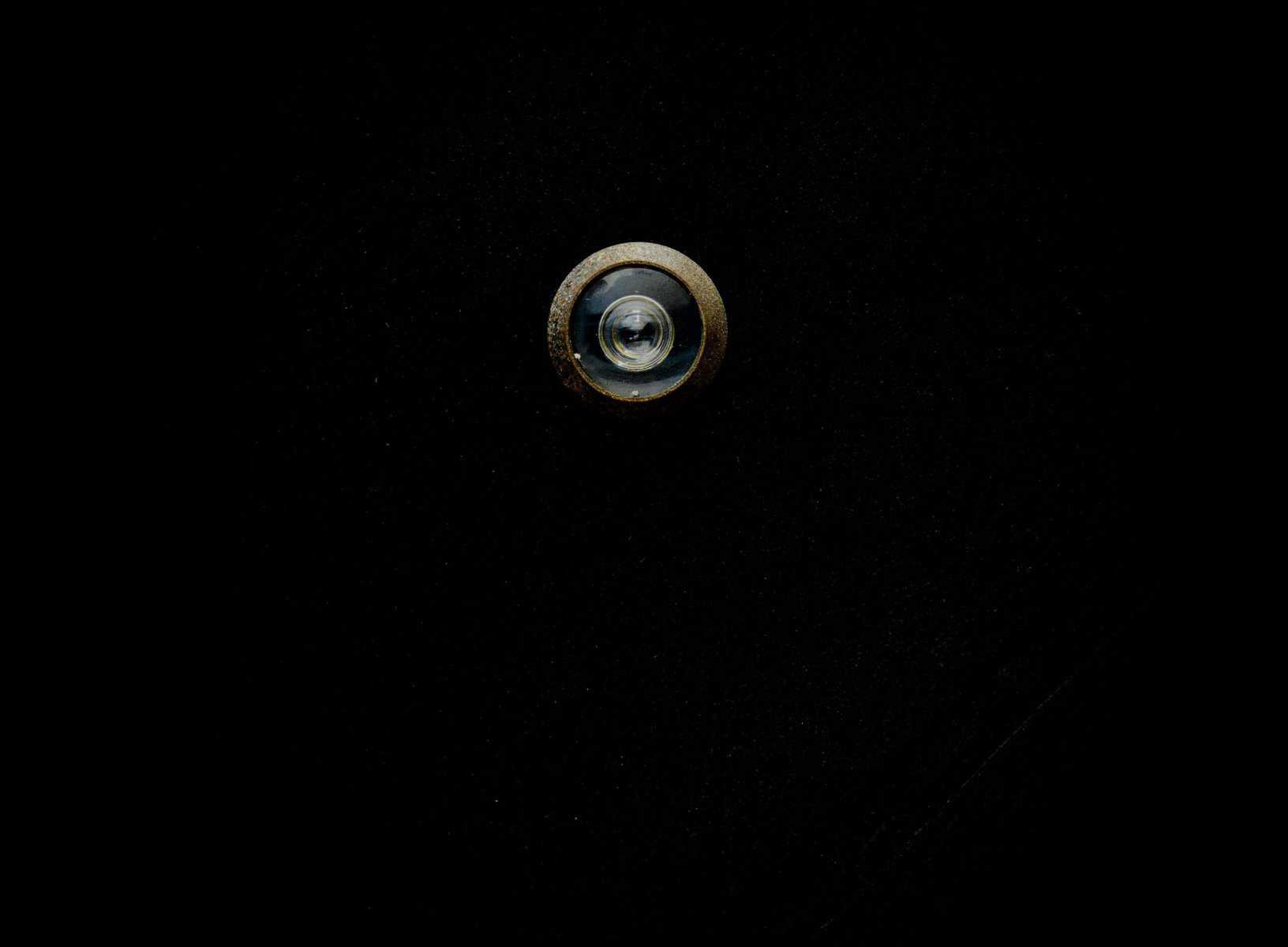
Door Viewers
Disclaimer Some links on this page are Amazon affiliate links which means if you choose to make a purchase, we may earn a small commission from Amazon at no extra cost to you. We greatly appreciate your support!
A door viewer — also called a peephole or door scope — lets you see who’s outside before you open the door. It’s a small, inexpensive device, but it’s one of the more effective ways to add a layer of security to any entry door. This guide covers how door viewers evolved, what to look for when choosing one, and how to install and maintain one properly.
A Brief History of Door Viewers
Door viewers have been around in some form for centuries:
- Ancient origins: Early civilizations like the Egyptians and Romans carved small openings into doors so they could discreetly observe visitors before opening up.
- Medieval and Renaissance periods: Castles and fortified structures used “judas holes” — small openings that let sentries monitor the surroundings without exposing themselves.
- 17th–19th centuries: Peepholes became more common in residential settings as door standardization improved, though early versions lacked the clarity of modern ones.
- 20th century: Optics and materials improved significantly, and fisheye lenses were introduced, widening the field of view.
- Today: Smart peepholes now connect to home security systems or smartphones, adding video recording, motion detection, and remote monitoring on top of the original function.
Understanding Door Viewers
The viewing angle is one of the most important specs to consider — it ranges from around 130 degrees up to an ultra-wide 200 degrees, and determines how much of the area outside your door you can actually see. A narrower angle can leave blind spots at the edges of the door; wider angles close those gaps.
Image quality also varies between models. Precision optics are the main factor — better lenses mean a clearer, less distorted view of whoever’s on the other side.
Choosing the Right Door Viewer
A few factors are worth weighing before you buy:
- Finish: Satin nickel, bright brass, and other finishes are available to match your door hardware.
- Installation ease: Look for a model with a clear installation guide and a barrel length that fits your door’s actual thickness.
- Viewing angle: A 160-degree or wider (up to 200-degree) angle gives noticeably better outdoor visibility than older, narrower models.
For more detail on matching viewing angle and barrel length to your specific door, this breakdown of what to check before you drill is a solid reference. You can also pair a door viewer with a door knocker for a more complete entryway setup.
Installing a Door Viewer
Installing a door viewer is a straightforward project that noticeably improves entry security. Here’s the general process:
- Determine the right position. Standard height is eye level for an average adult, but if children or wheelchair users will use it most often, consider positioning it lower.
- Select your drill bit size. This depends on your viewer’s barrel diameter — typically between 0.46″ and 0.5625″ — which should be specified on the product packaging.
- Create an index hole first. Starting with a smaller drill tip keeps the bit from slipping off track once you move to the full-size bit.
- Gather your tools. You’ll need a power drill, a level, and the hardware included with the viewer (typically a ring nut and index pins).
A few safety notes while drilling: cover nearby areas with a cloth sheet to catch debris, wear eye protection, keep stable footing, and let the drill do the work rather than forcing it — pushing too hard is the most common way to crack a door panel mid-install.
Maintaining a Door Viewer
A door viewer needs very little upkeep, but a few habits keep it working clearly for years:
- Clean the lens gently with a soft cloth or cotton swab and glass cleaner — avoid anything abrasive that could scratch the viewing surface and blur the image.
- Polish the finish occasionally with a clean, dry cloth to keep satin nickel or brass looking sharp.
- Check for loose parts like the ring nut, and tighten by hand or with the appropriate tool — without over-tightening, which can damage the door itself.
- Watch for viewing issues. If the image looks off, the index pins may need adjusting — check your specific model’s installation guide for how to do this.
If a viewer is damaged beyond a simple fix — cracked lens, stripped threads, and so on — replacement models are inexpensive and easy to swap in.
Door Viewers as Part of a Broader Security Setup
A door viewer works best alongside other security basics — a well-lit porch, a solid entry door, and additional hardware like deadbolts or chain locks. Together, these let you verify who’s outside and decide how to respond before you ever open the door.
FAQs in Relation to Door Viewers
Which is the best door viewer?
The right choice depends on your needs — weigh viewing angle, finish, and price against what matters most for your entryway.
Can I install a peephole in my door?
Yes. Most doors can accommodate a peephole or door viewer with basic tools and a bit of care during installation.
What is the function of a door viewer?
It lets you see who’s outside without opening the door, adding a simple but effective layer to your home security.
Is there a camera for a door peephole?
Yes — some newer models include a built-in camera for recording or live-streaming the view to your smartphone.
Conclusion
A door viewer is a small device that does a lot for peace of mind — letting you identify visitors before you ever open the door. Whether you go with a classic optical peephole or a connected smart viewer, getting the viewing angle, installation, and basic maintenance right means it’ll keep working reliably for years.
For more on home security and door hardware, explore the rest of Door Digest.